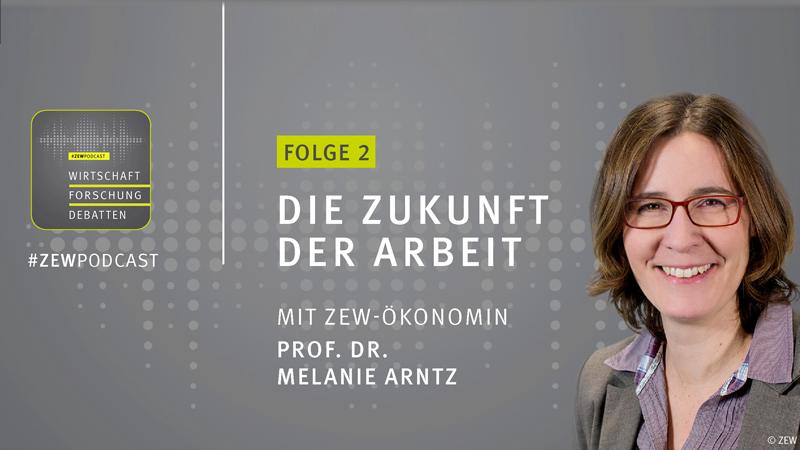
Mit der Digitalisierung verändert sich die Arbeitswelt; immer mehr Aufgaben lassen sich automatisieren. Für welche Tätigkeiten es auch in Zukunft noch Menschen braucht und wie sich durch den gegenwärtigen…
Als Folge der Covid-19 Krise ist mit einer weiteren Zunahme der Arbeitslosigkeit zu rechnen. Neben den materiellen drohen soziale Einbußen. Erfahrungen aus der jüngeren Vergangenheit können dabei helfen, das…
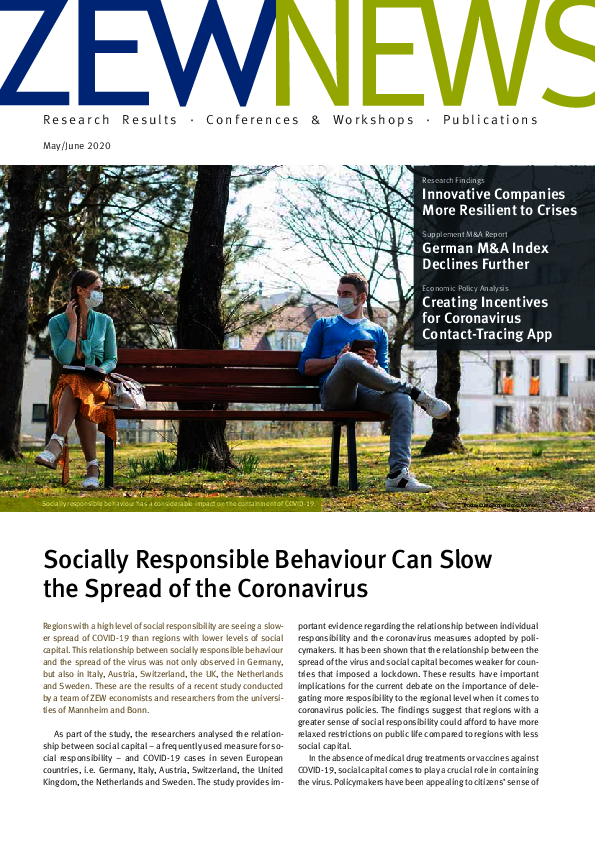
The rapid spread of COVID-19 forced policy-makers to swiftly find solutions to reduce infection rates and keep mortality as low as possible. Empirical analyses on the effectiveness of control measures are hereby…
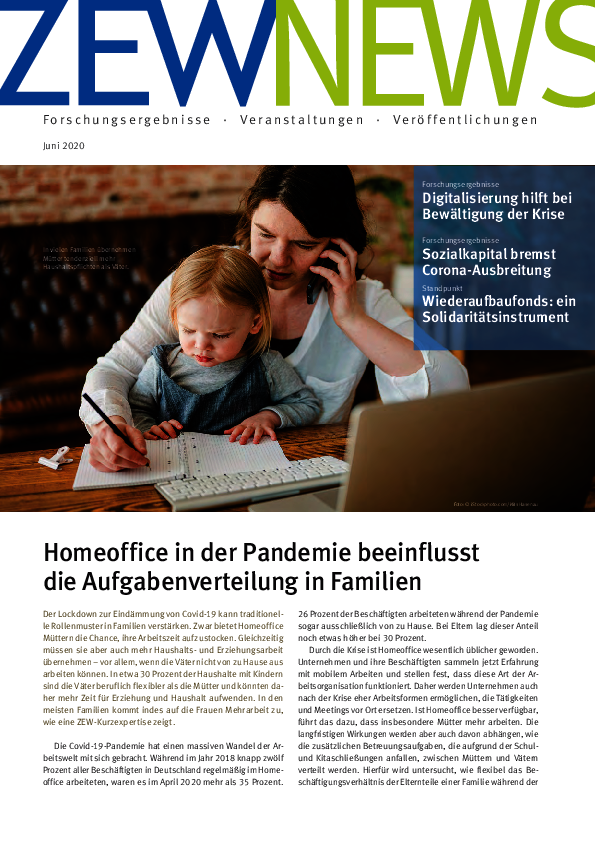
As the Covid-19 pandemic causes an all-time high share of people to work from home, this disruptive event is likely to have a long-lasting effect on work arrangements. Given existing research on the effects of…
Birth rates differ strongly across European states, despite the deep economic har-monisation process related to European integration. This study uses large scale ad-ministrative data from France and Germany to…
This paper investigates the long-term effects of the Paraguayan War (1864–1870) on intimate partner violence. The identification of these causal effects relies on a novel historical dataset from which I exploit…