ZEW Keynote at Thirteenth Beijing Humboldt Forum
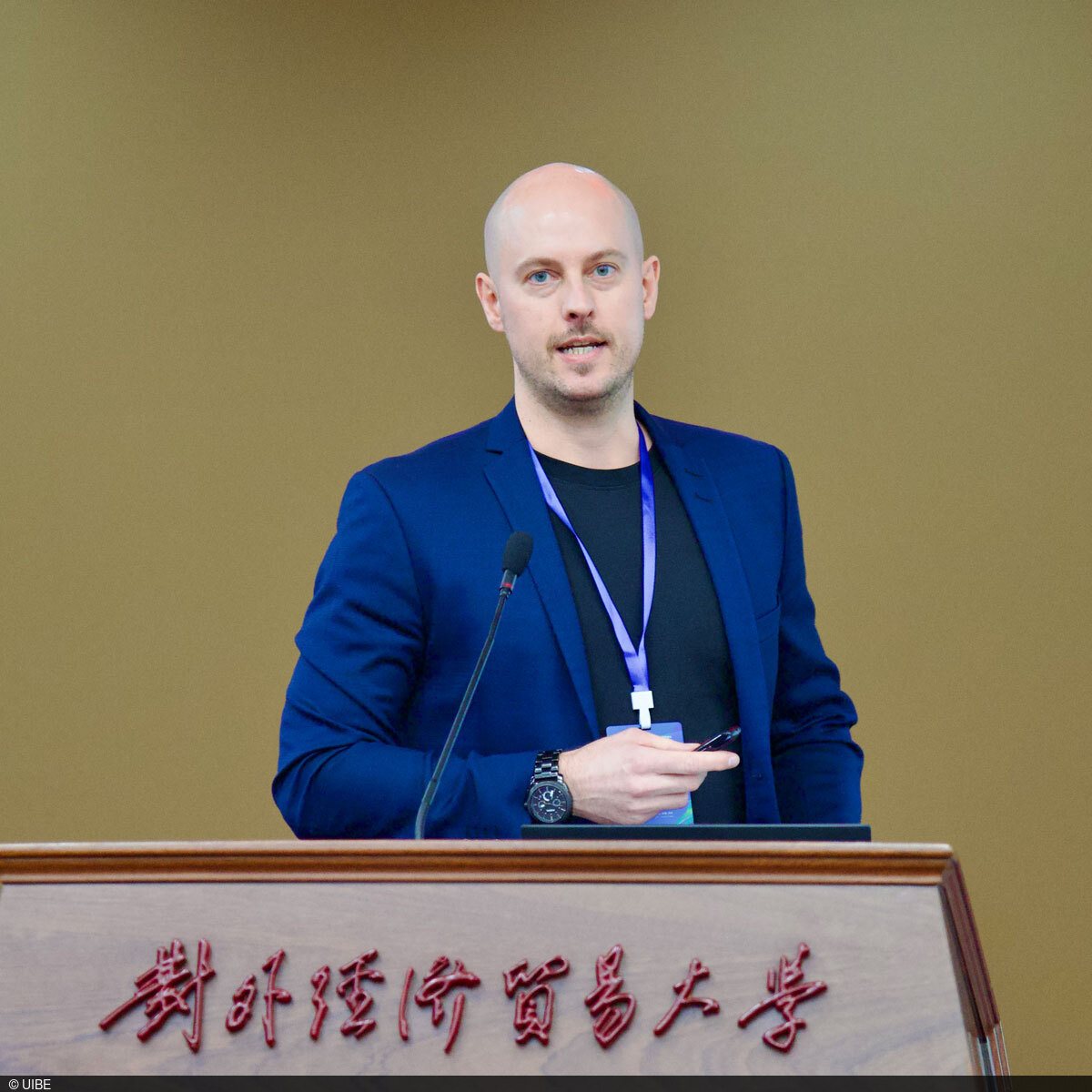
EventsProfessor Philipp Böing delivering his keynote speech in Beijing
Together with the Humboldt Foundation and the University of International Business and Economics (UIBE) in Beijing, ZEW Mannheim organised this year’s Beijing Humboldt Forum (BHF). The forum took place from 20 to 21 September 2025 in the Chinese capital and focused on the key themes of Green Economy, Health Management and Global South Cooperation.
With a keynote delivered by Professor Philipp Böing, ZEW was particularly present in the thematic forum “South-South Cooperation from Diverse Perspectives”. At this session, Chinese and international guests from academia, the diplomatic community and civil society discussed current developments in South-South cooperation with a focus on innovation, energy and human capital.
Keynote speech on Chinese innovation
Professor Philipp Böing, senior researcher in ZEW’s Research Unit “Economics of Innovation and Industrial Dynamics”, addressed the origins and quality of Chinese innovations in his speech. In recent years, China has replaced the USA as the world's leading patent nation. However, while the number of patent applications continues to rise, the average innovative contribution of a Chinese patent has been declining – as has the growth rate of breakthrough patents that are crucial for technological progress. Nonetheless, domestic inventions are increasingly shaping the direction of innovation in China. “The contribution of foreign knowledge, particularly from the United States, to Chinese innovation has recently declined significantly, which points to China’s growing independence,” Professor Böing noted.
A direct comparison shows that more than half of Chinese patents now make a greater contribution to China’s technological progress than US patent applications in China. A development scenario is emerging in which China, having long supported domestic inventions, is increasingly reducing its technological dependence on foreign countries. This course towards technological sovereignty opens up new opportunities for China, such as the targeted promotion of national research and production capacities. However, at the same time, it poses considerable challenges from an international perspective – particularly with regard to international research cooperation and geo-economic competition.
Forum for interdisciplinary dialogue
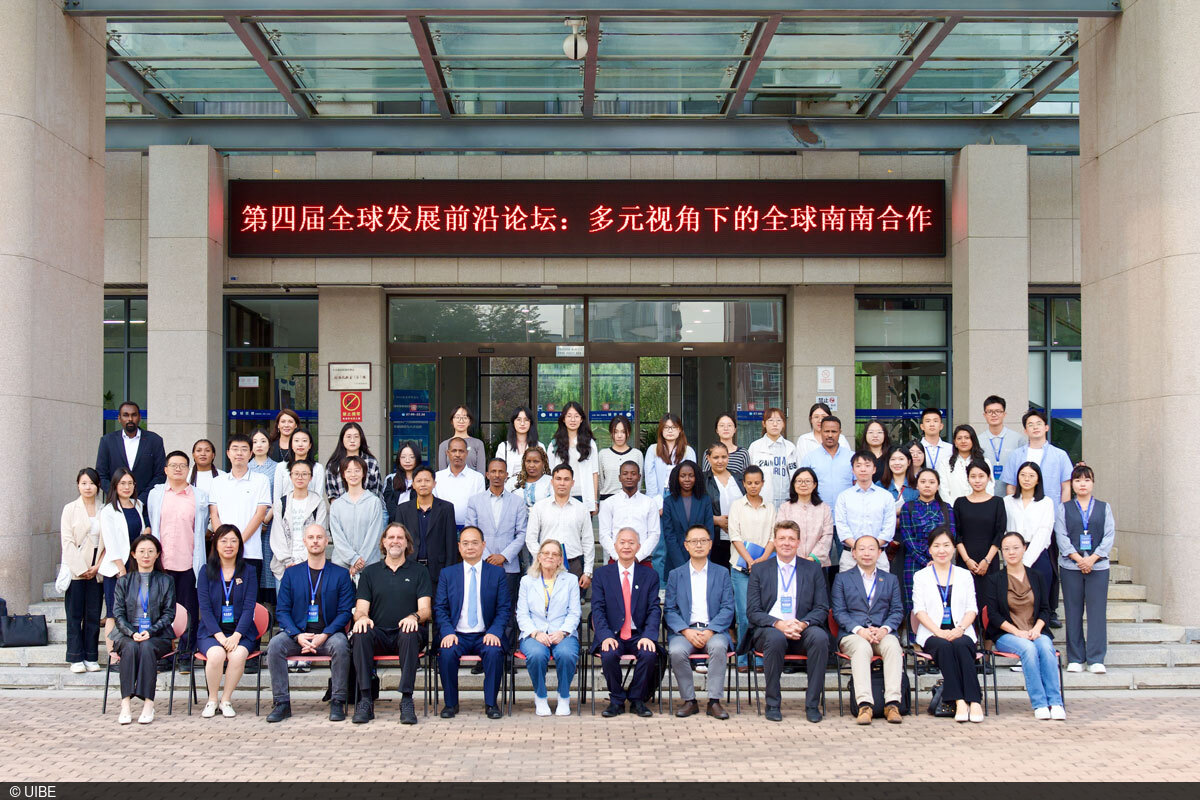
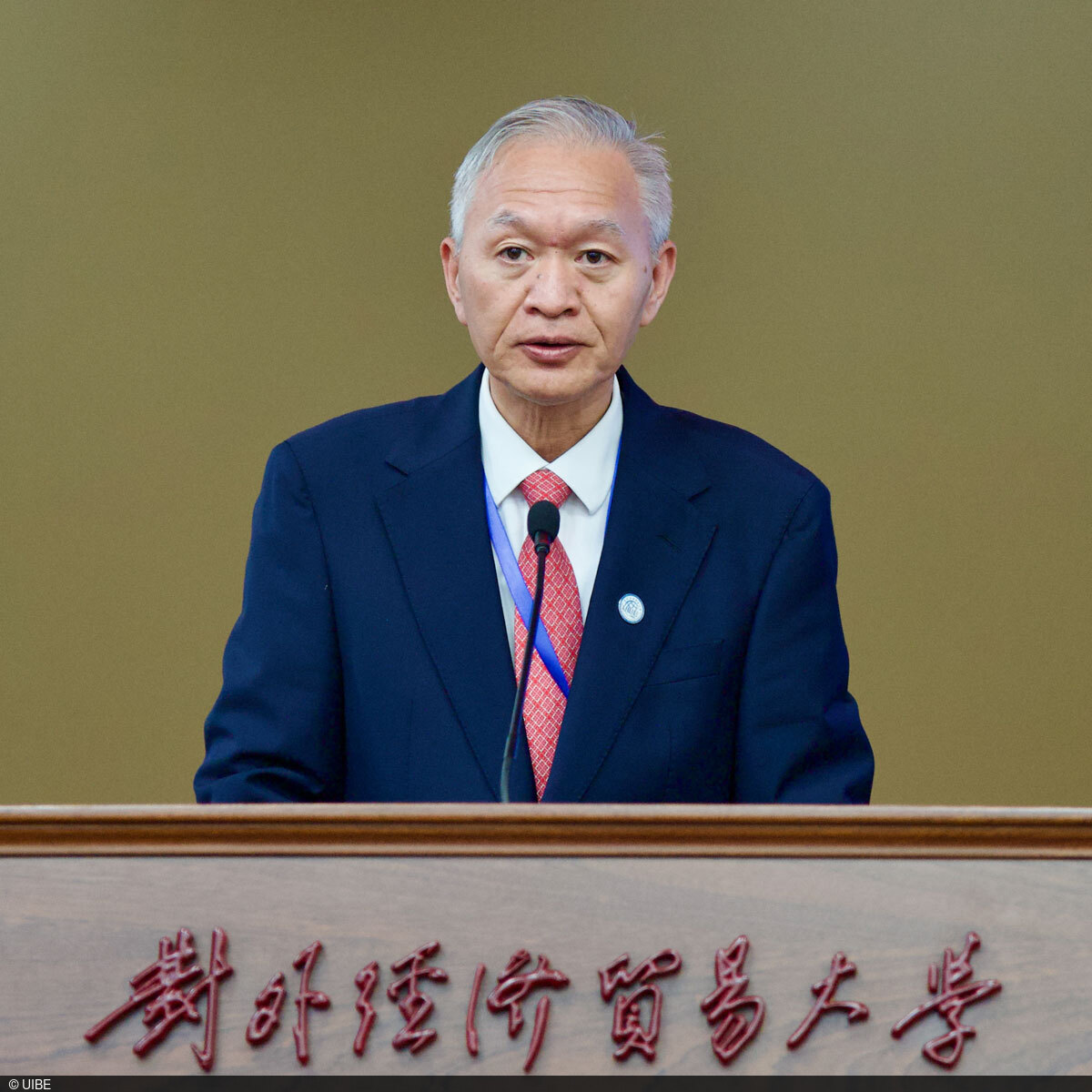
Other speakers in the “South-South Cooperation from Diverse Perspectives” forum included Professor Wang Qiang, Vice President of UIBE, Professor Andreas Löschel, Ruhr University Bochum, Dr. Irene Giner-Reichl, former Austrian ambassador to the People’s Republic of China, Professor Ralf Wehrspohn, Martin Luther University Halle-Wittenberg, as well as Professor Wang Bo, dean of the School of International Development and Cooperation at UIBE. Afterwards, practitioners discussed Chinese activities in the context of international development cooperation in a roundtable discussion and provided insights into specific experiences and ongoing projects.
Proven format: Beijing Humboldt Forum
The Beijing Humboldt Forum (BHF) is an internationally oriented, non-profit conference. This year, it brought together researchers, practitioners and decision-makers from various scientific disciplines, companies and political institutions for the thirteenth time. Current topics and global challenges were discussed in the European-Chinese dialogue. Together with the Humboldt Foundation and the University of International Business and Economics (UIBE) in Beijing, ZEW is a founding member and co-organiser of the forum. The conference offers an established platform for the interdisciplinary exchange between German and Chinese scientists.