Economic Growth as a Key Challenge
EventsChancellery Minister Thorsten Frei at “First-Hand Information on Economic Policy”
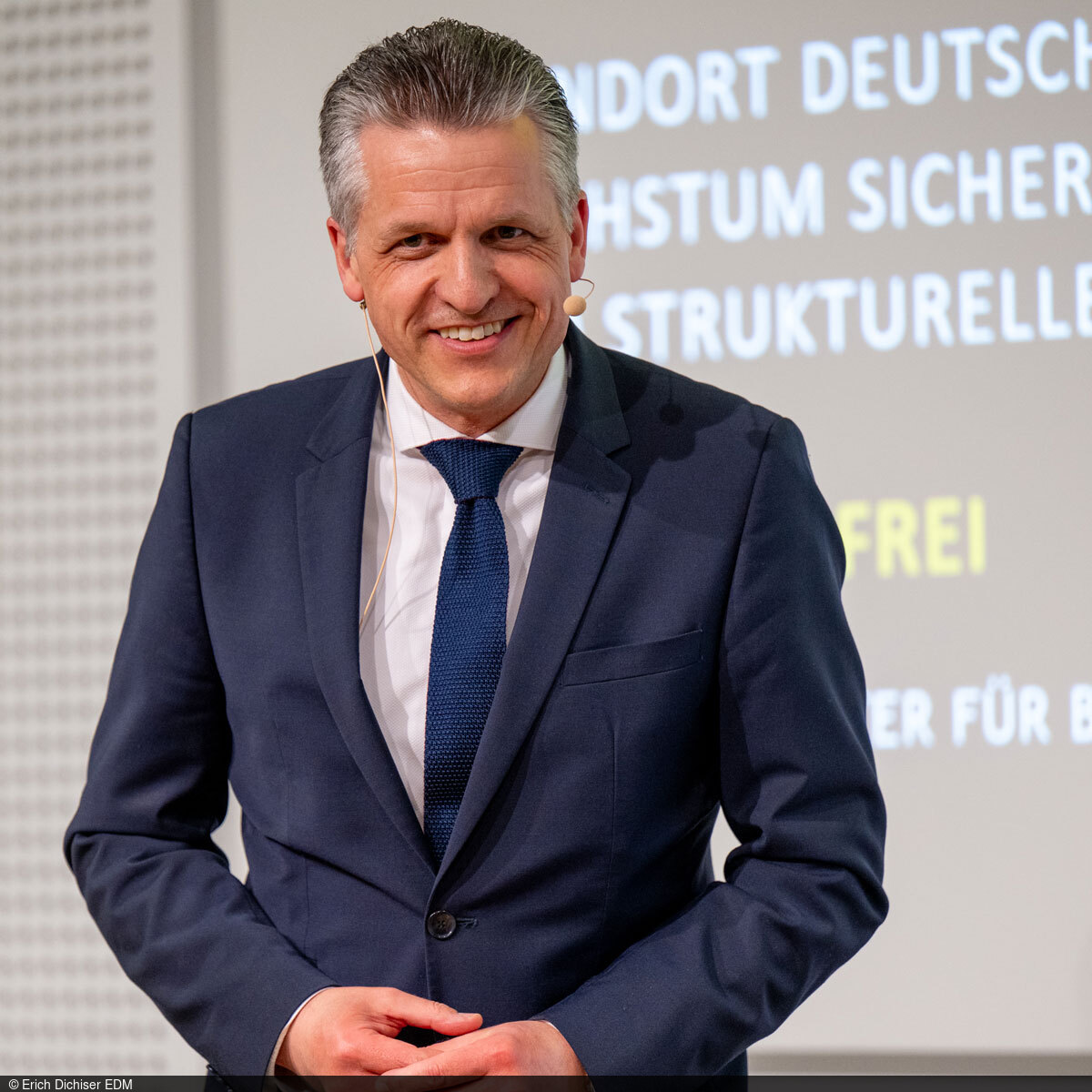
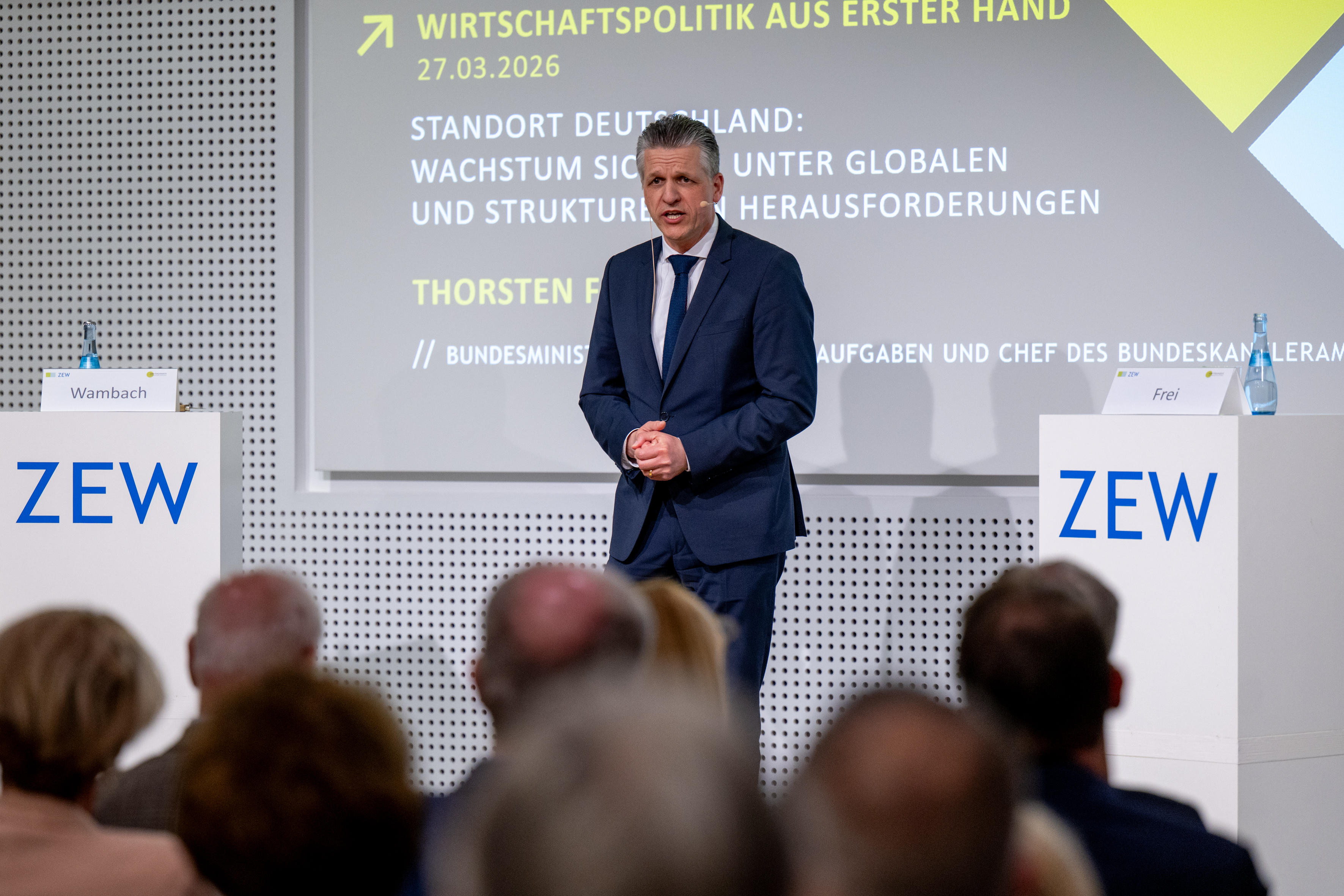
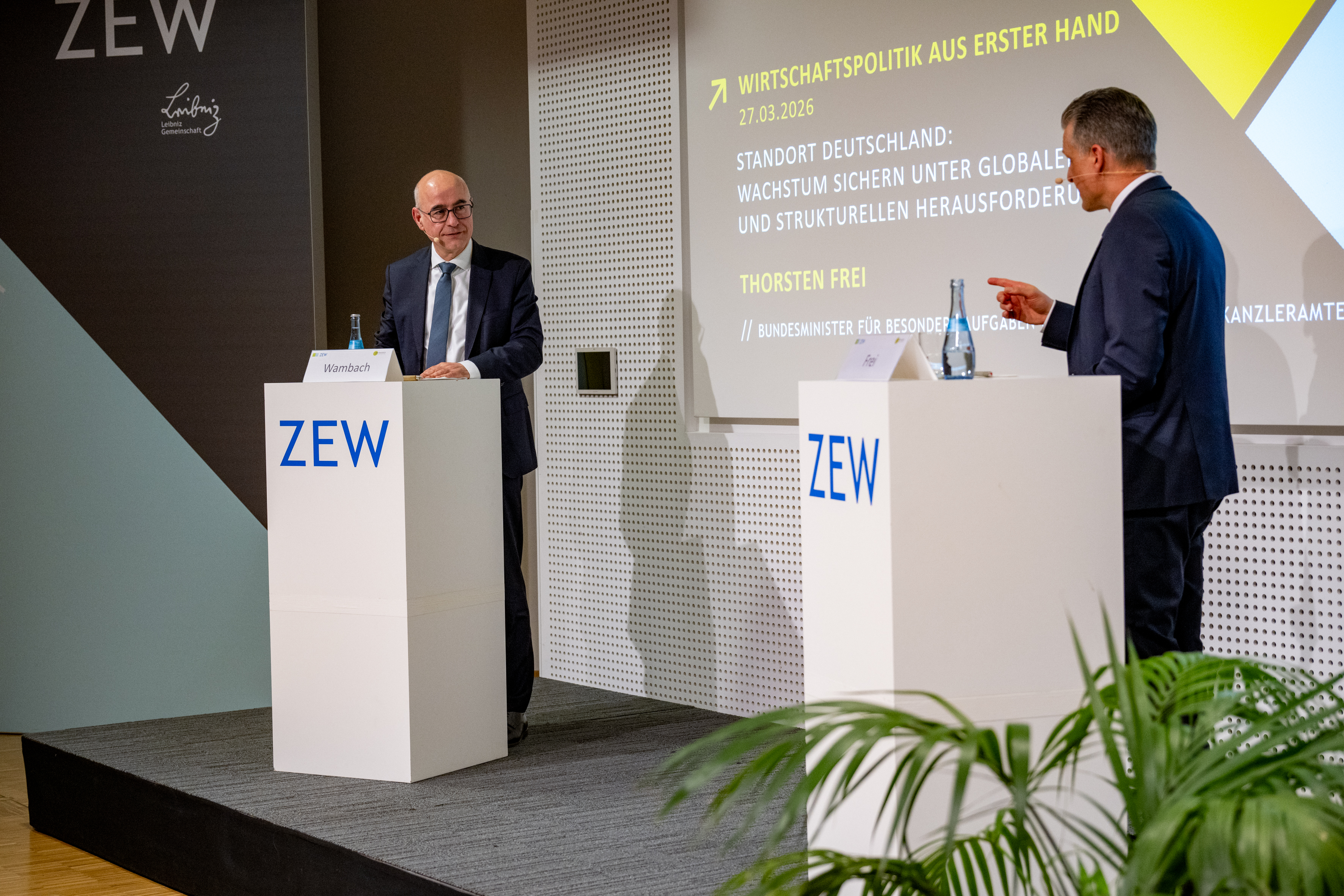
Germany is under pressure as a business location because of sluggish economic growth. Furthermore, geopolitical tensions are intensifying competitive pressures. What is needed to maintain the country’s appeal as a business location, stimulate investment and safeguard Germany’s international competitiveness? ZEW President Achim Wambach, PhD discussed these questions with Federal Minister Thorsten Frei before around 200 guests at an event of ZEW’s “First-Hand Information on Economic Policy” series on 27 March 2026. As Federal Minister for Special Tasks and Head of the Federal Chancellery, Frei is responsible for coordinating cross-departmental government policy and plays a central role in decision-making processes relating to economic, financial and European policy.
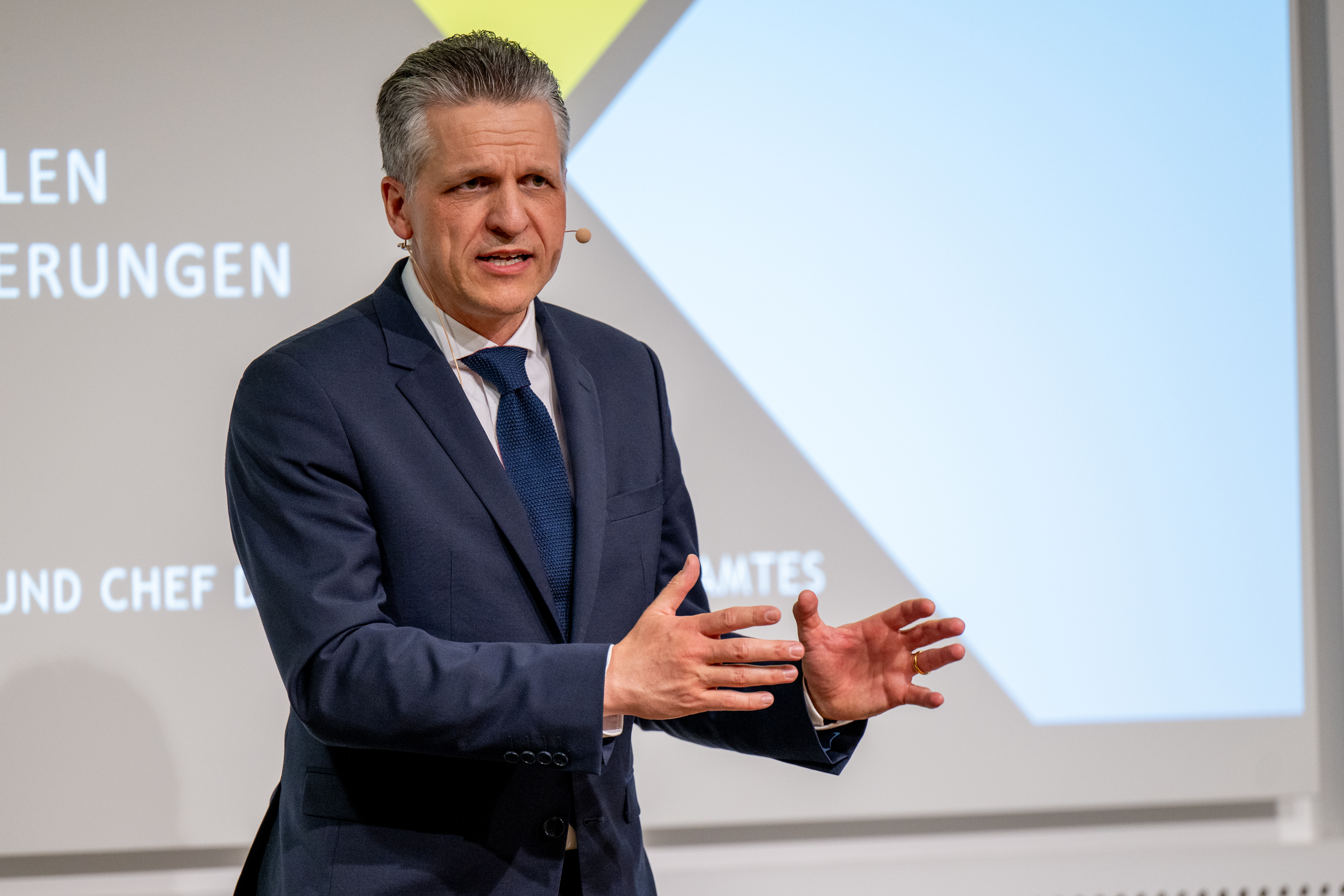
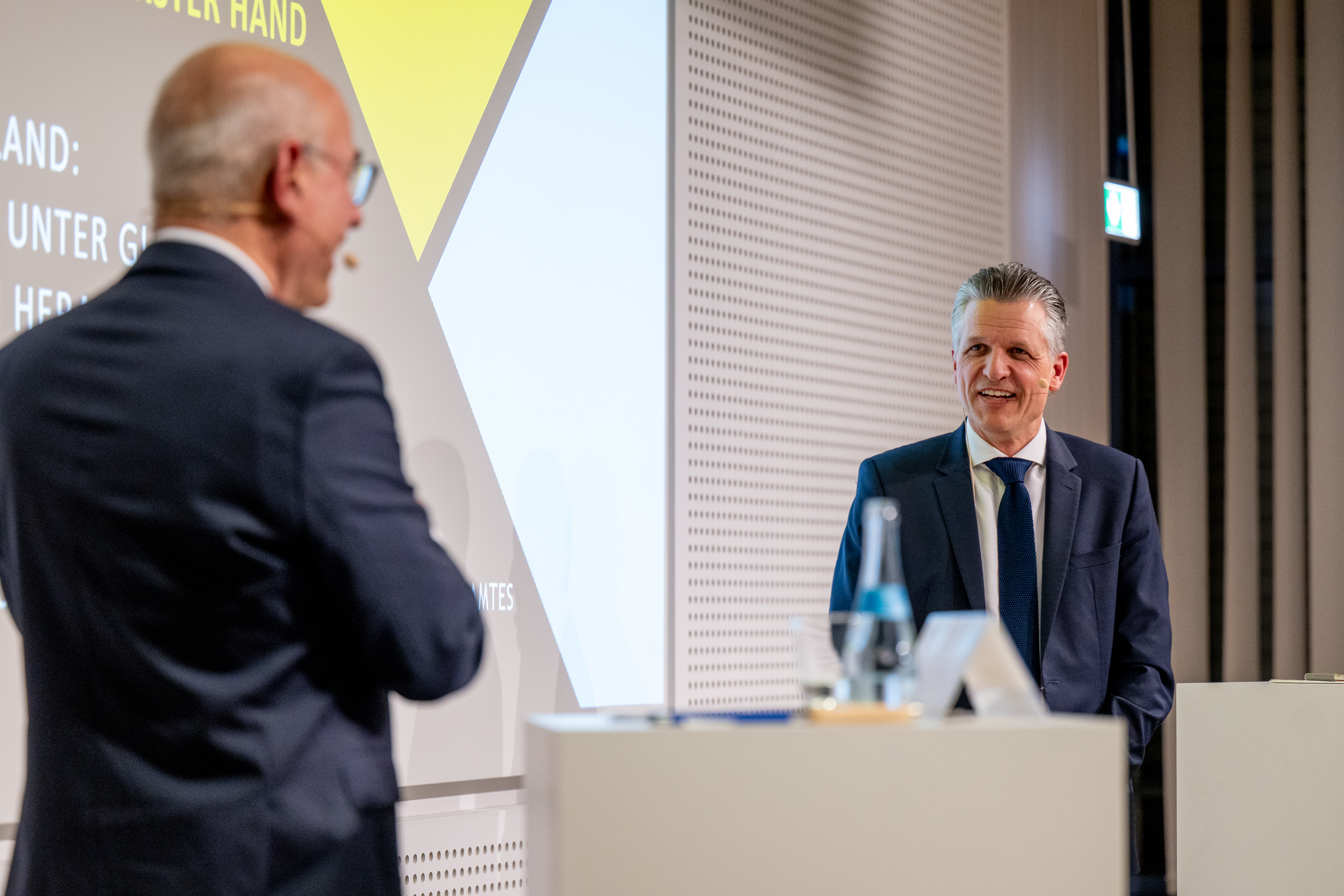
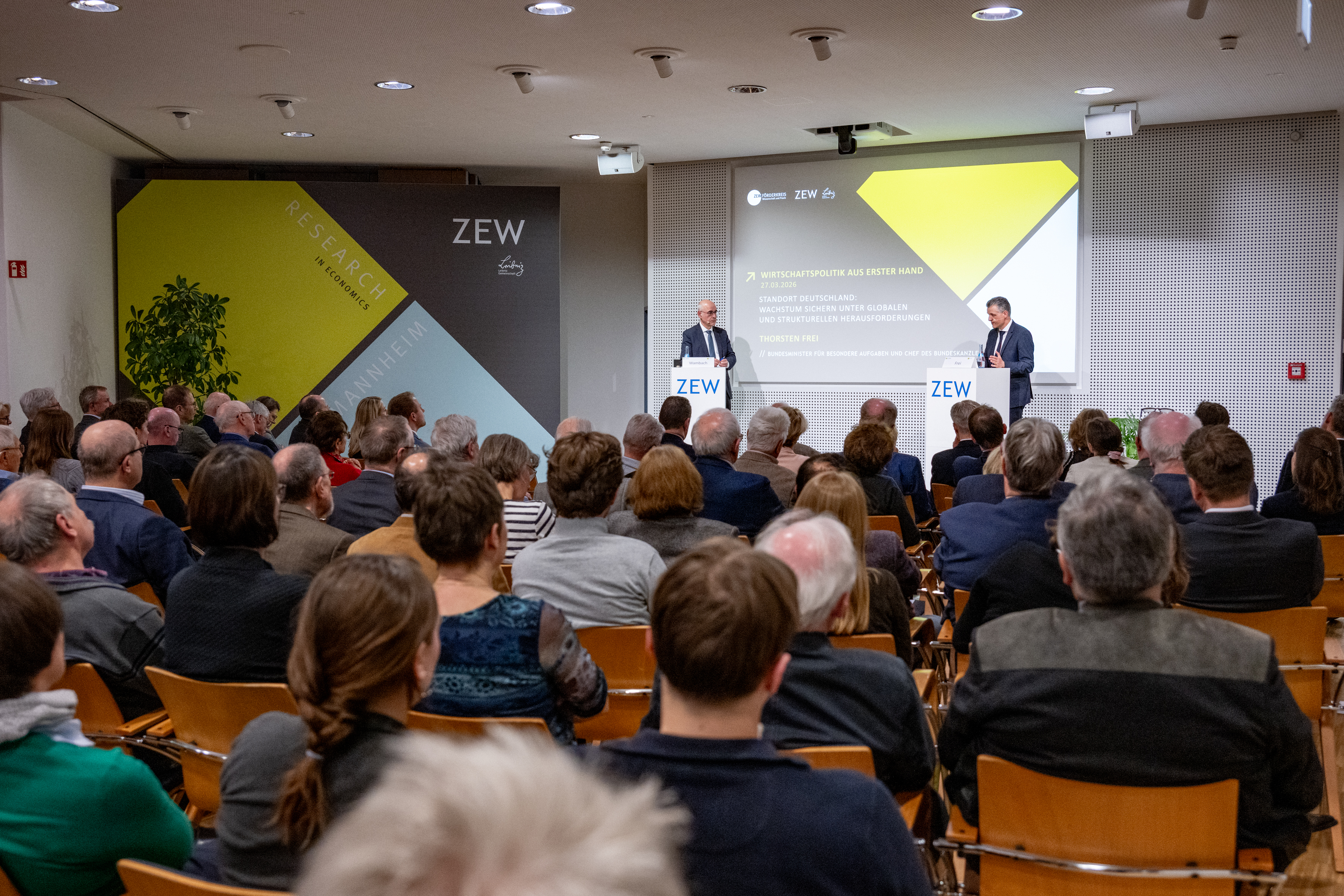
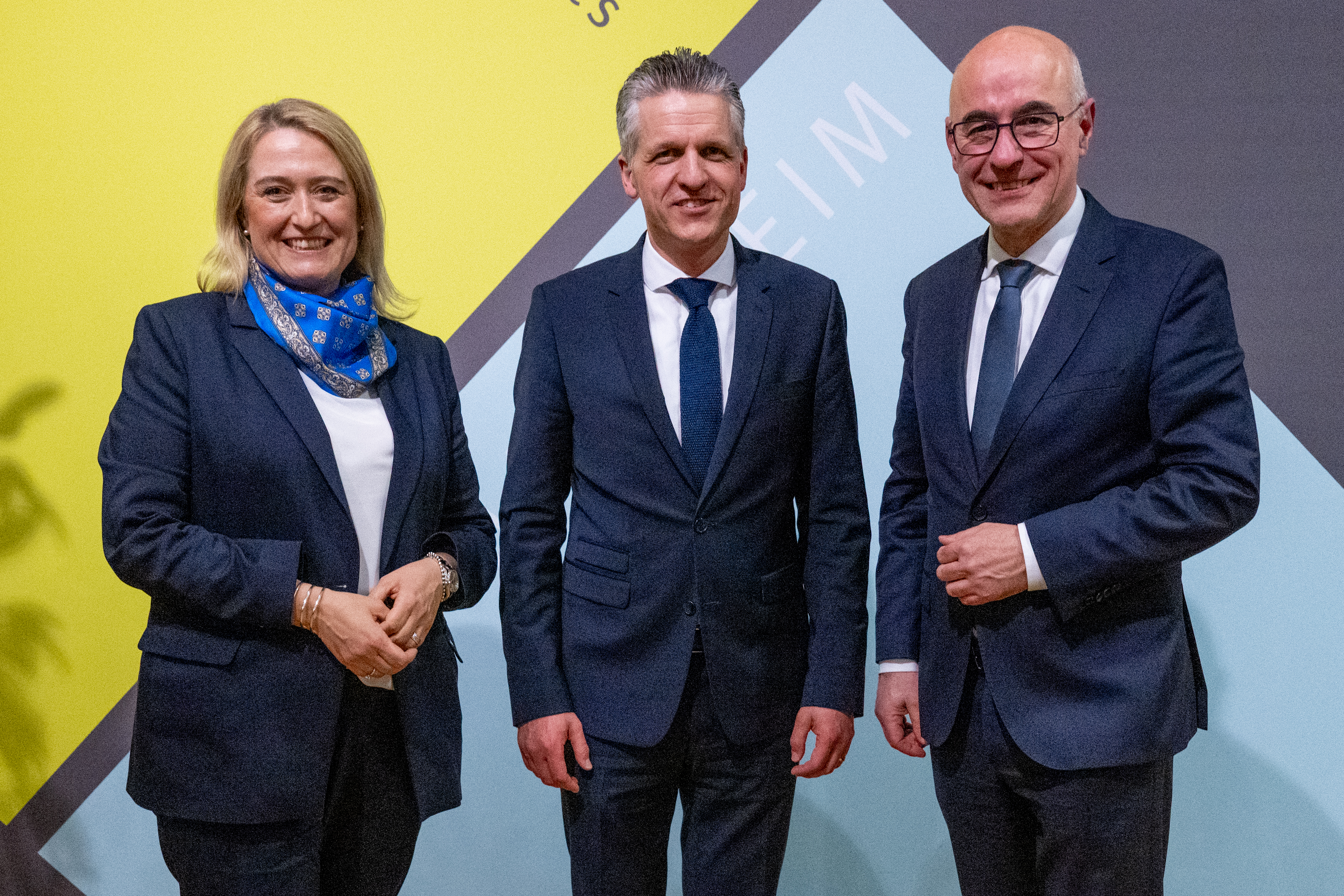
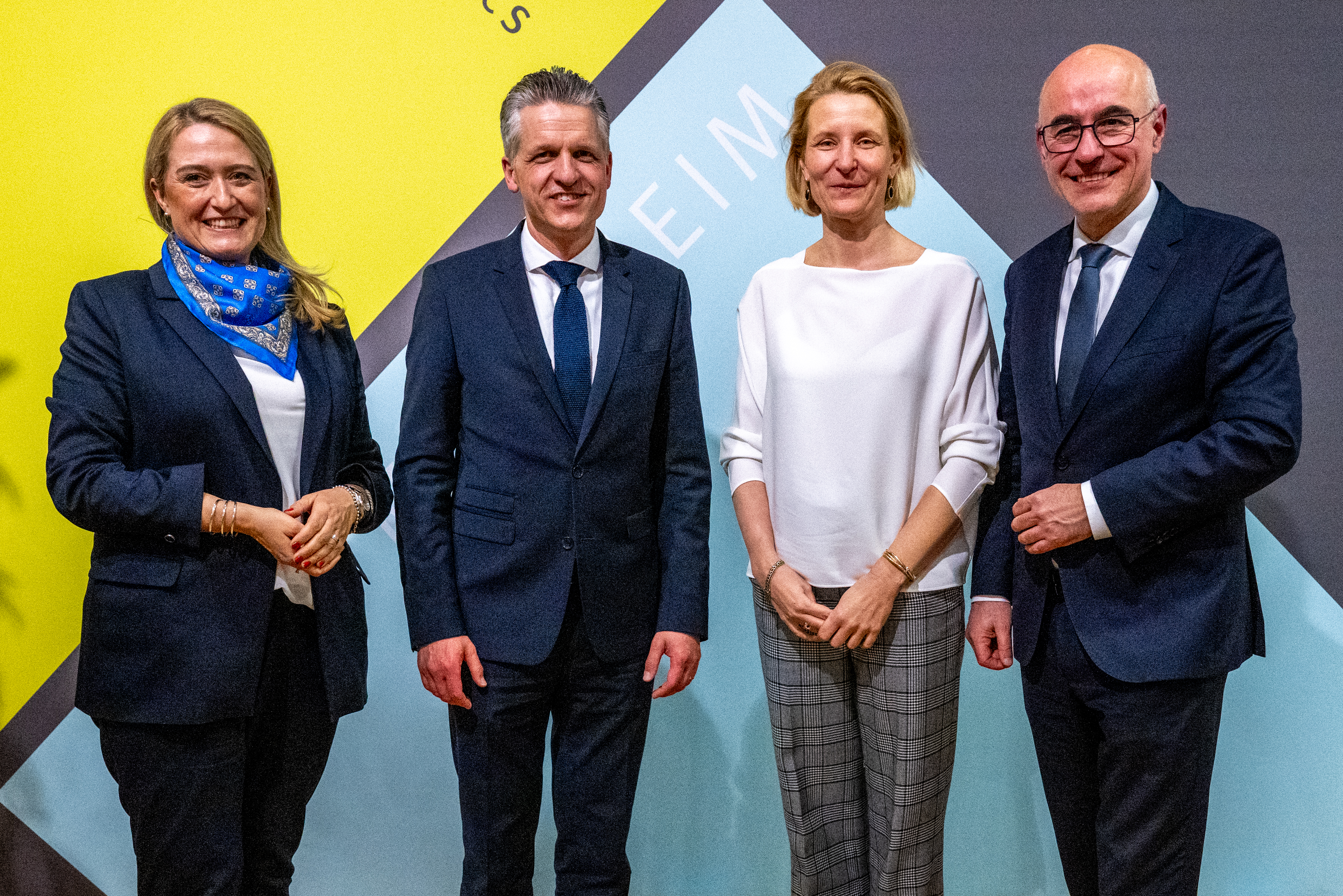
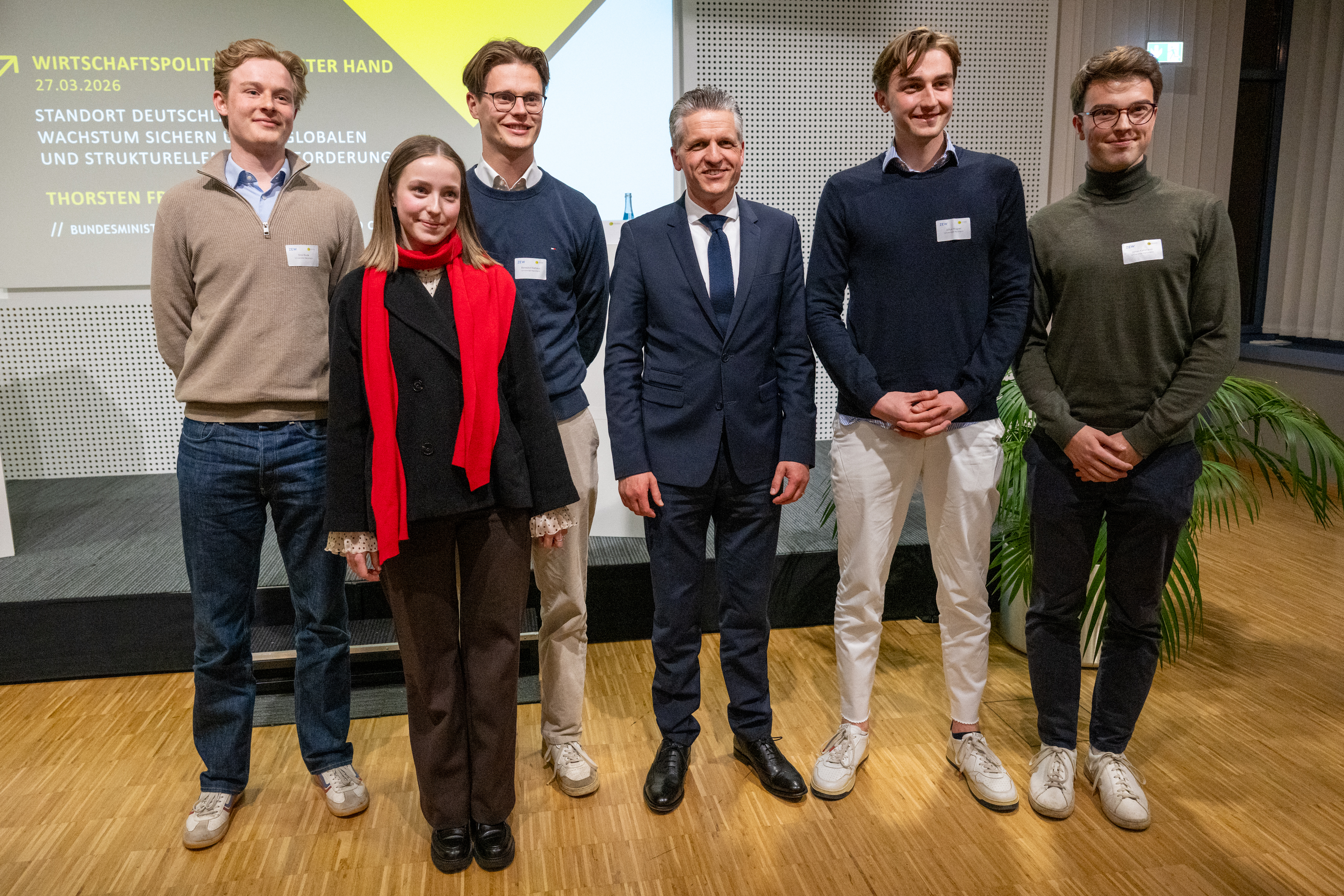
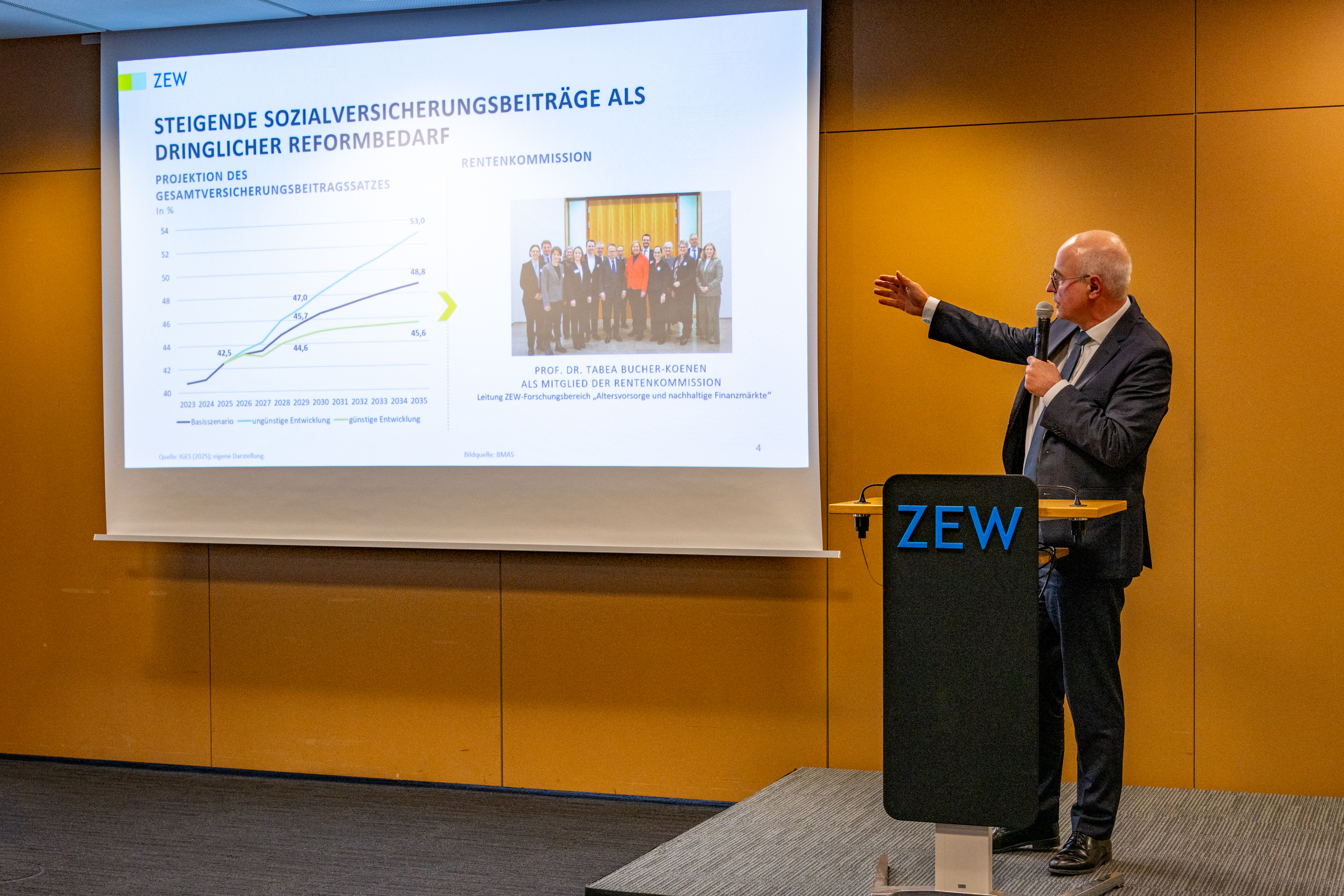
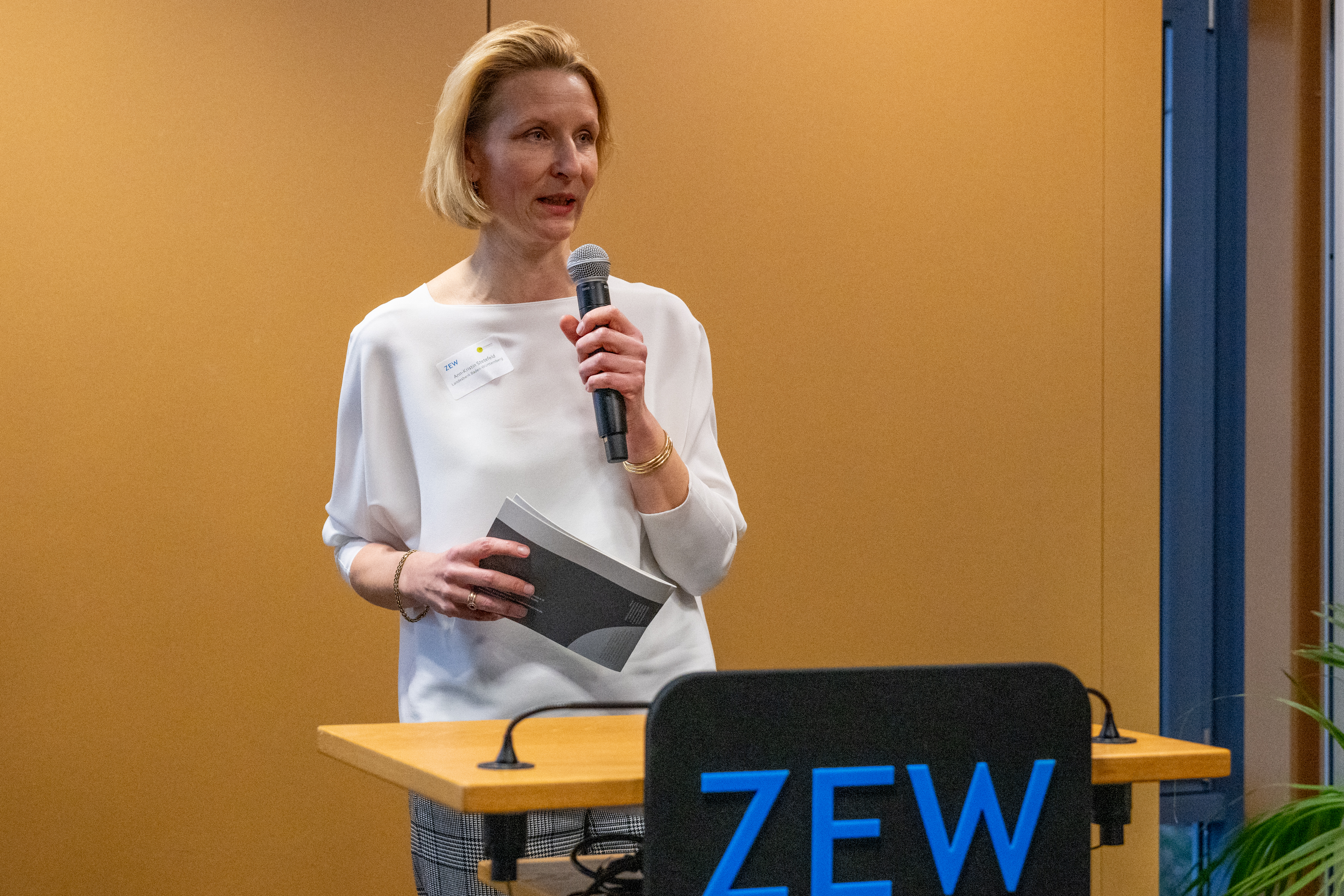
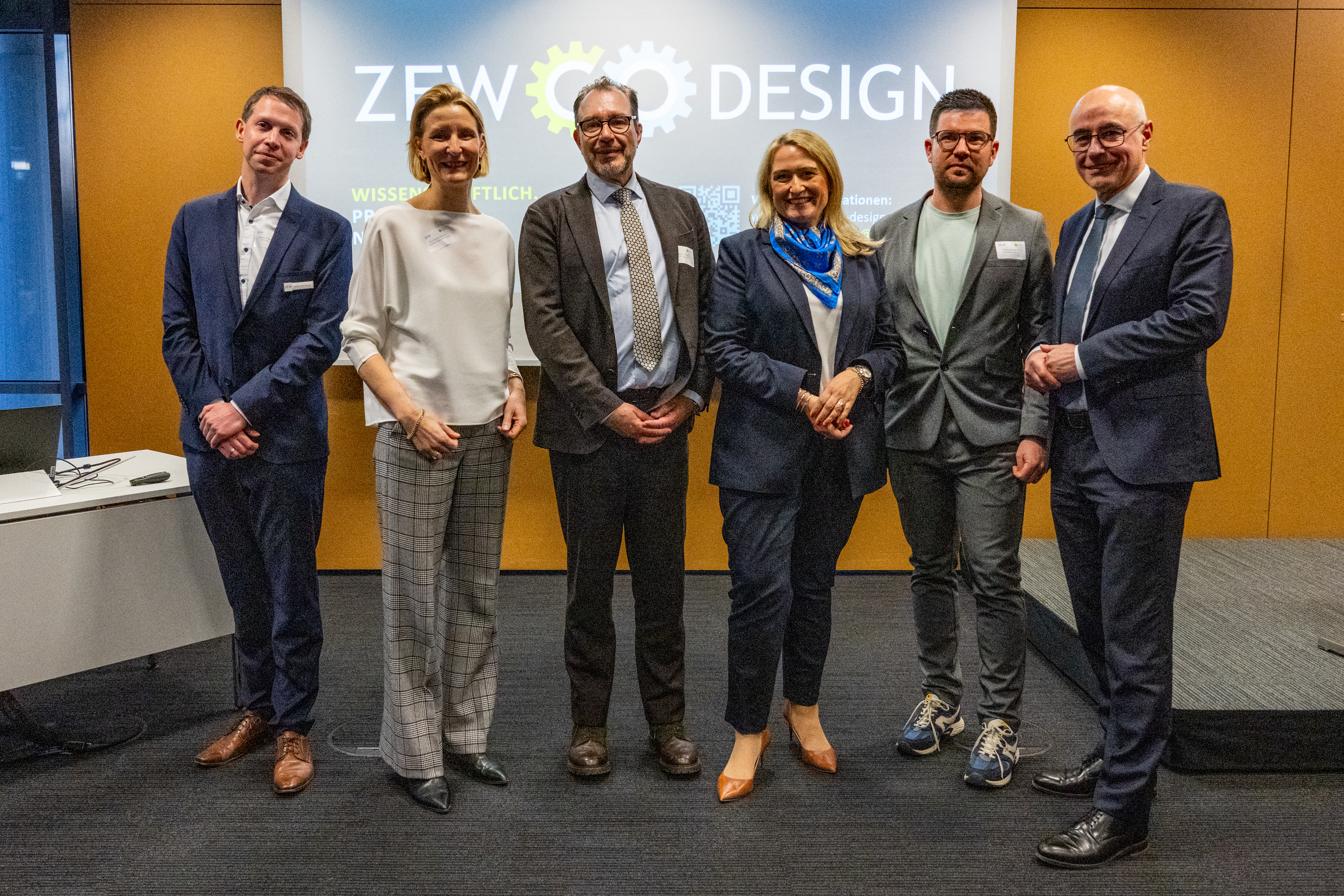
At the beginning of the event, Achim Wambach outlined the current economic situation which he said was characterised by rising energy prices, stagnant growth and increasing fiscal pressure. In his view, short-term political measures often fell short of the mark. The focus should shift more towards the structural challenges, such as the development of social security contributions which could rise further in future.
ZEW Involved in Pensions Commission
Wambach said that the demographic trends were currently easing the strain on the labour market but were at the same time reducing the pressure for reform. With regard to public finances, Wambach warned of climbing interest rates and the resulting narrowing of fiscal room for manoeuvre. He said he
was looking forward to the findings of the Pensions Commission, of which Professor Tabea Bucher-Koenen, head of the ZEW Research Unit “Pensions and Sustainable Financial Markets”, is also a member. However, the main question was still whether policymakers would manage to reduce labour costs.
Presentation of Collaboration Platform ZEW Co-Design
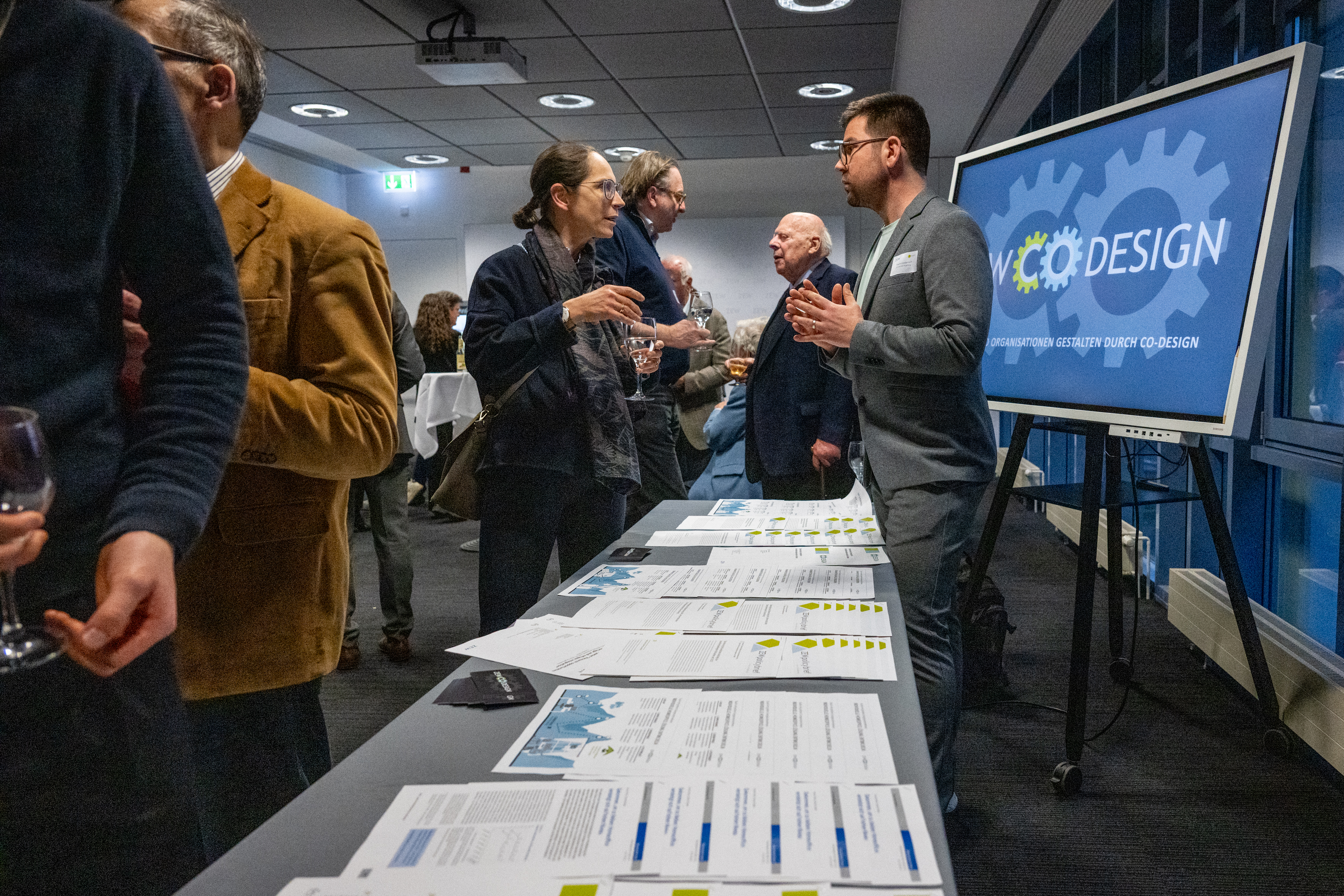
Wambach then presented the new Co-Design platform, a ZEW initiative that is to strengthen collaboration between academia and businesses. The initiative’s aim is to integrate evidence-based findings directly into business decision-making processes through field experiments. Examples include programmes designed to influence behaviour through incentive schemes and projects aimed at encouraging a more equal uptake of parental leave by mothers and fathers.
Four key policy areas
In the subsequent talk, Minister Thorsten Frei emphasised the crucial importance of economic growth in addressing current challenges. In a changing geopolitical order, with international conflicts and economic tensions on the rise, the performance of the economy was a key prerequisite for prosperity, security and the state’s capacity to act. Germany was particularly dependent on stable international conditions, as a significant proportion of its value added was generated abroad.
Frei identified four key areas for action: high energy prices, a tax system in need of reform, rising labour costs and excessive bureaucracy. Whilst the federal government had already introduced measures such as tax incentives for investment and cuts to corporation tax, there still was a considerable need for reform. In particular, the trend in social security contributions posed a risk to competitiveness, as rising non-wage labour costs could weigh on employment. On the subject of bureaucracy, Frei called for a greater focus on risk-taking and a reduction in regulatory complexity, for example in construction and planning law.
Structural policy measures better than price subsidies
In the ensuing discussion, Achim Wambach and Thorsten Frei jointly addressed key economic and economic policy issues. Wambach structured the debate by posing targeted questions, for example, on the current gloomy economic mood and on cyclical risks arising from geopolitical developments. Frei put these questions into a political context and emphasised the limitations of short-term government interventions such as price subsidies, pointing instead to the importance of long-term structural policy measures. He also underlined the need to focus public spending more on investment and to limit current expenditure.
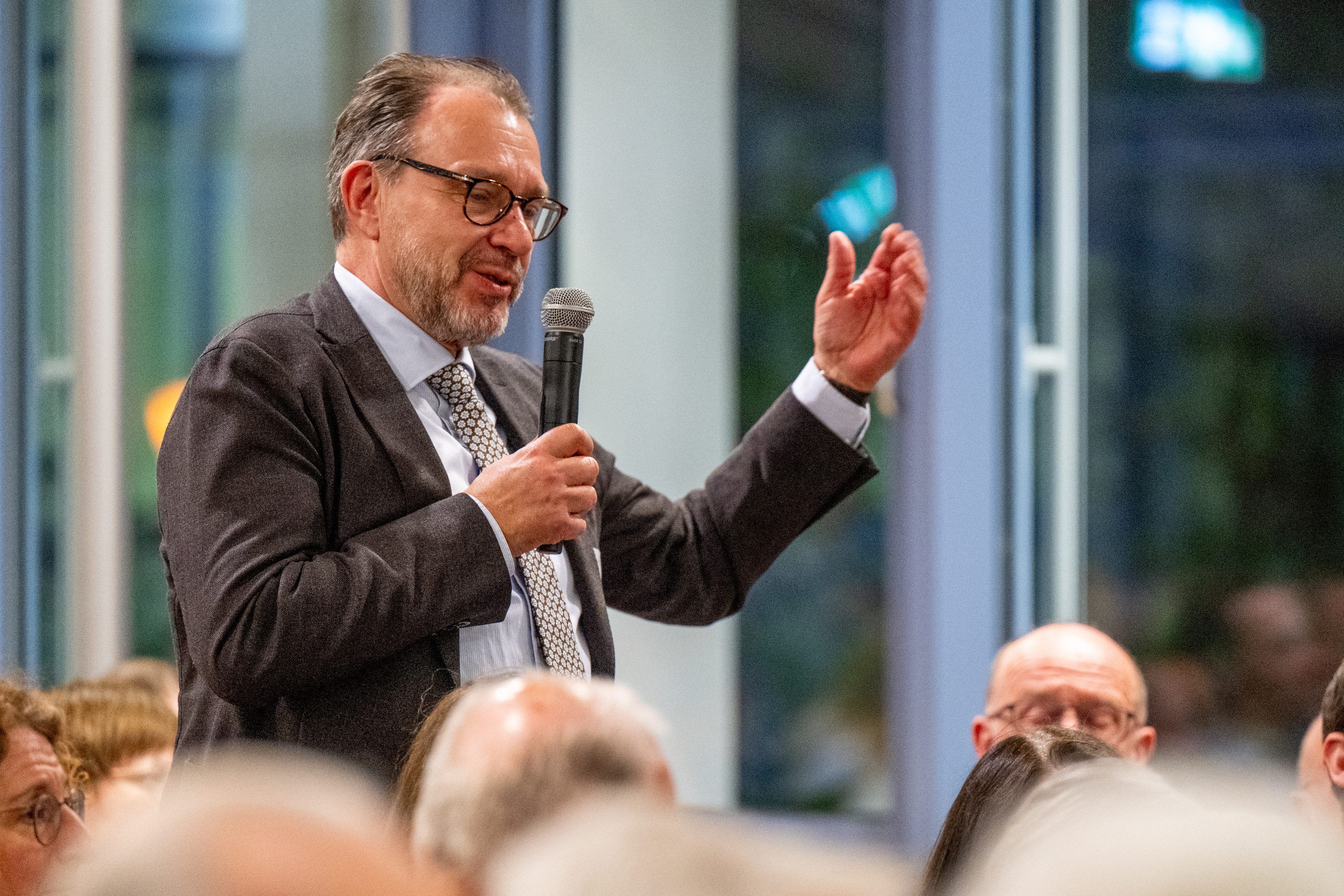
Wambach also brought an international comparative perspective to the audience’s questions, for example regarding France’s location policy or the role of European trade strategies. Frei responded with assessments of the practical feasibility of policy measures at national and European level, referring to existing conflicts of interest, such as those between regulatory standards and international competitiveness. Through a combination of academic analysis and political perspective, the speakers thus painted a nuanced picture of the current economic policy challenges and possible courses of action.