How Company Crises Cause Chain Reactions in Wage Structures
Research
15.10.2025
ZEW Study on Effects of Negative Shocks on Wage Structures in the Metal Industry
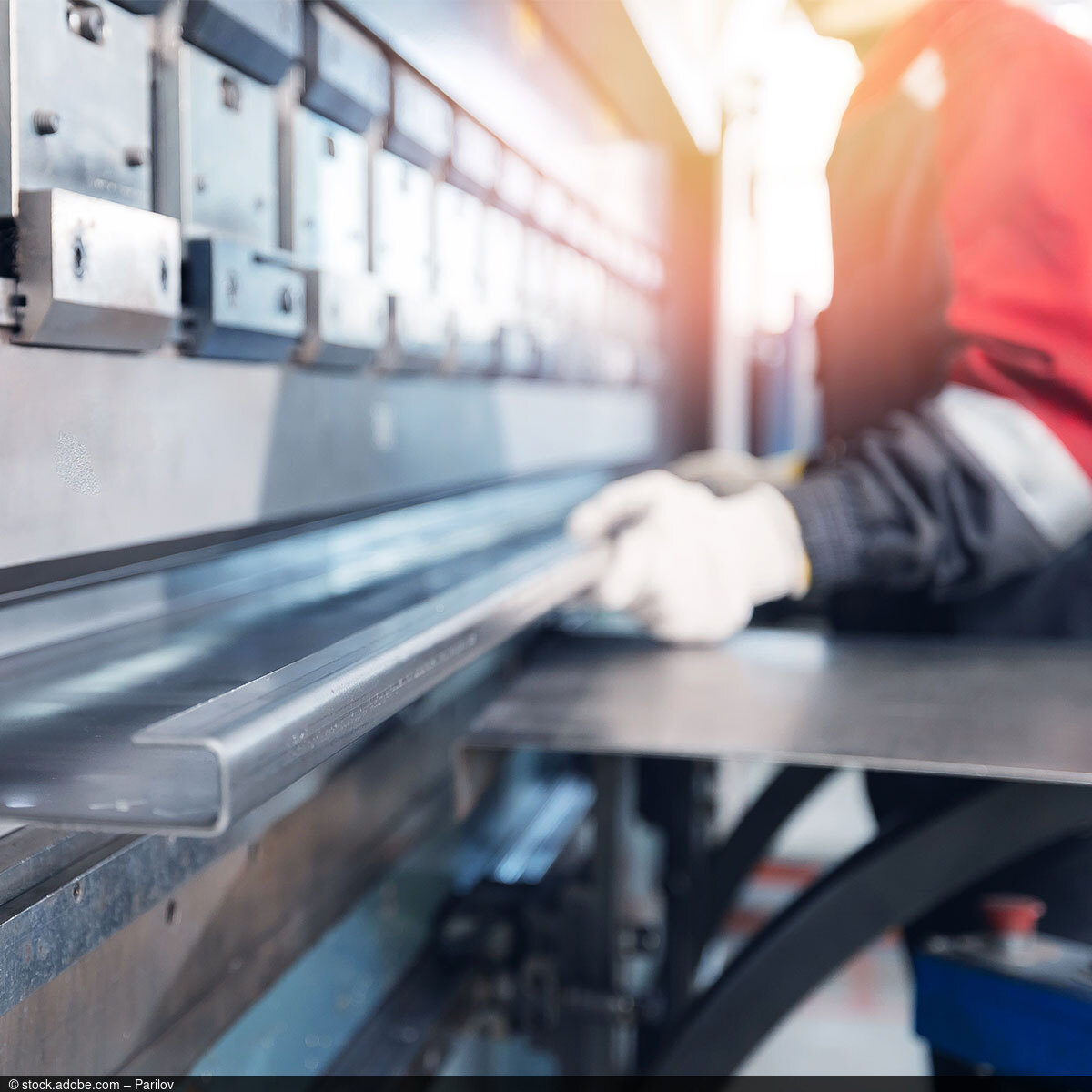
When a company is hit by an economic shock, employees close to the minimum wage floors are more likely to be laid off than higher-paid employees. The latter, instead, are more likely to have part of their wage cut. A new ZEW study based on data from metal industry that was recently published in the renowned Journal of Labor Economics shows that the two phenomena are linked. In light of the current economic situation in the German metal industry, the findings are particularly relevant for managers and political decision-makers.
“National and collectively agreed minimum wages are intended to protect low-paid employees – but when firms are hit by an economic shock, some of those employees are the first to be laid off. The study shows that this lowers productivity and consequently the wages of higher-paid employees,” explains Effrosyni Adamopoulou, PhD, co-author of the study and deputy head of the ZEW Research Group “Inequality and Distribution Policy”.
In many industries, the productivity rates of employees with different levels of qualification depend on each other. In the metalworking sector, for example, lower-skilled employees assemble components, while employees with higher qualifications are responsible, among other things, for ensuring that the assembled parts meet the quality standards.
When a company is facing an economic shock, for example triggered by disrupted supply chains, all of its employees become less productive. Then, employees in the lower wage groups close to the minimum wage floors are more likely to be laid off as firms are not allowed to pay less than that. With fewer low-skilled workers left in the firm, the productivity of high-skilled workers will fall further. Their wages will then decline accordingly.
“As employees with different qualification levels depend on each other at work, the minimum wage floors ultimately increase wage volatility among high-skilled employees,” says Adamopoulou.
20 years of data on the metalworking industry
The study focusses on the Italian metalworking sector between 1995 and 2015 and is based on matched data from employers and employees as well as company balance sheets. A detailed data set is available, covering over 35,000 workers employed at metalworking companies in Italy with more than 20 employees each. This data was supplemented with additional information on negotiated wage floors obtained from collective agreements.
The industry is ideal for analysing these effects as the collective agreements stipulate several wage floors for all occupations. The results confirm that in companies with a high proportion of minimum-wage earners, employees with high wages experience larger wage cuts in response to negative shocks affecting the company.