“Future Ratio” as an Indicator of a Future-Oriented Budget
ZEW Lunch Debate in Brussels
14.11.2025
Lunch Debate in Brussels on the EU’s Multiannual Financial Framework (MFF)
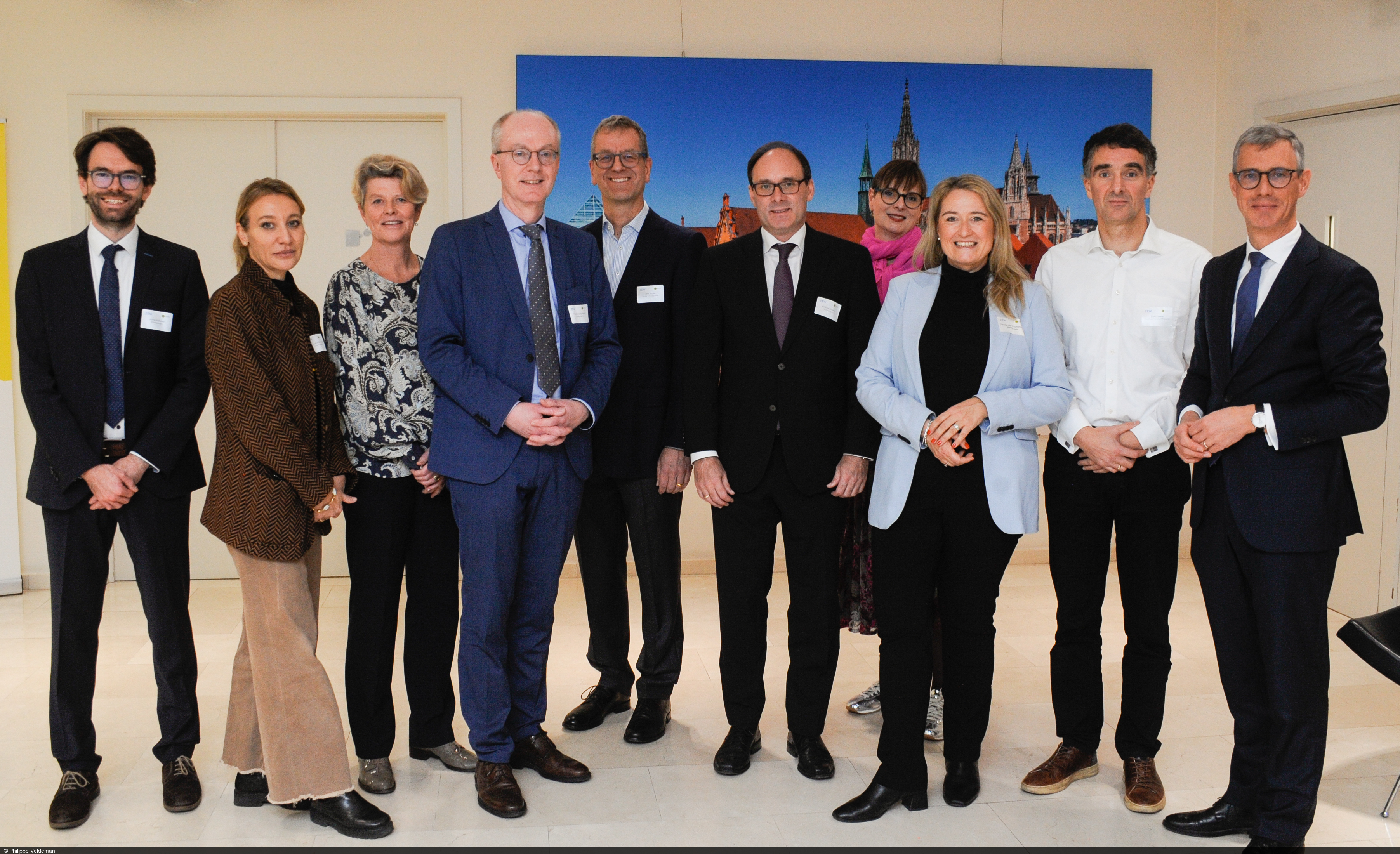
Under the next Multiannual Financial Framework (MFF), EU funds need to be directed more towards to the major European challenges, from defence to energy transition and climate policy to competitiveness. The MFF is also to support the Member States in adopting a more future-oriented perspective in their policies. The ZEW Lunch Debate on 13 November 2025 was the stage for a discussion on how the MFF can meet these expectations and how a reformed European governance will promote the future-orientation of fiscal policy.
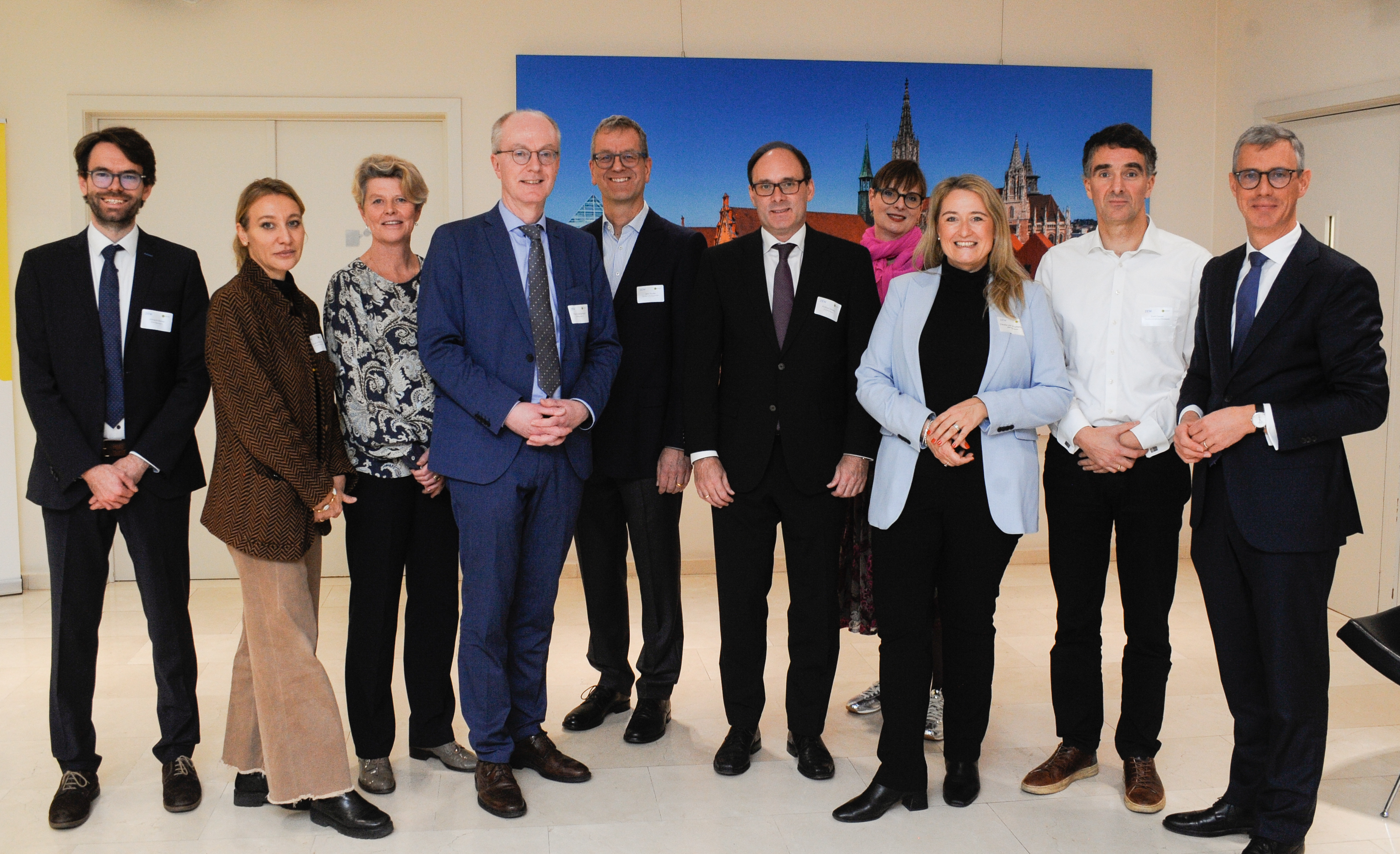
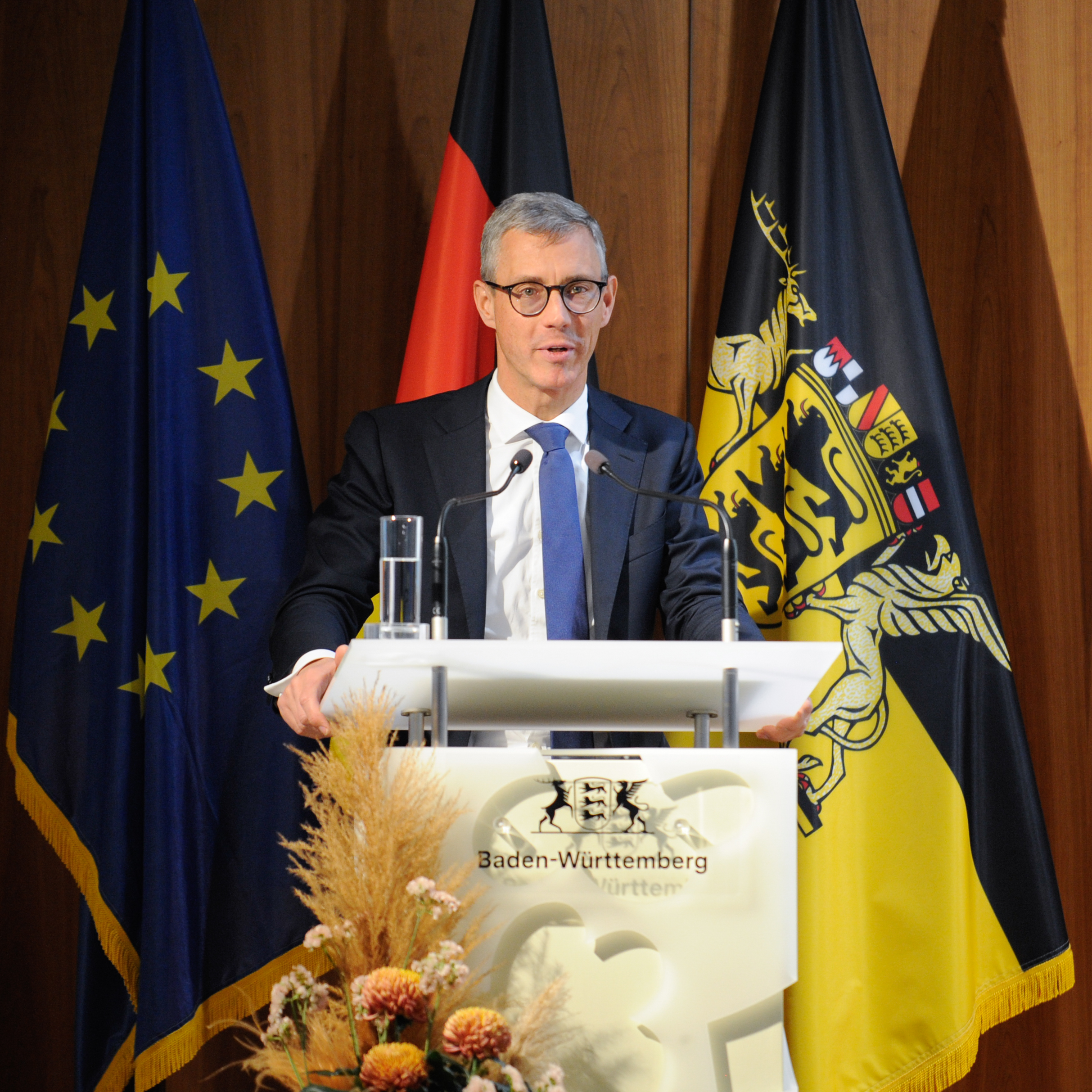
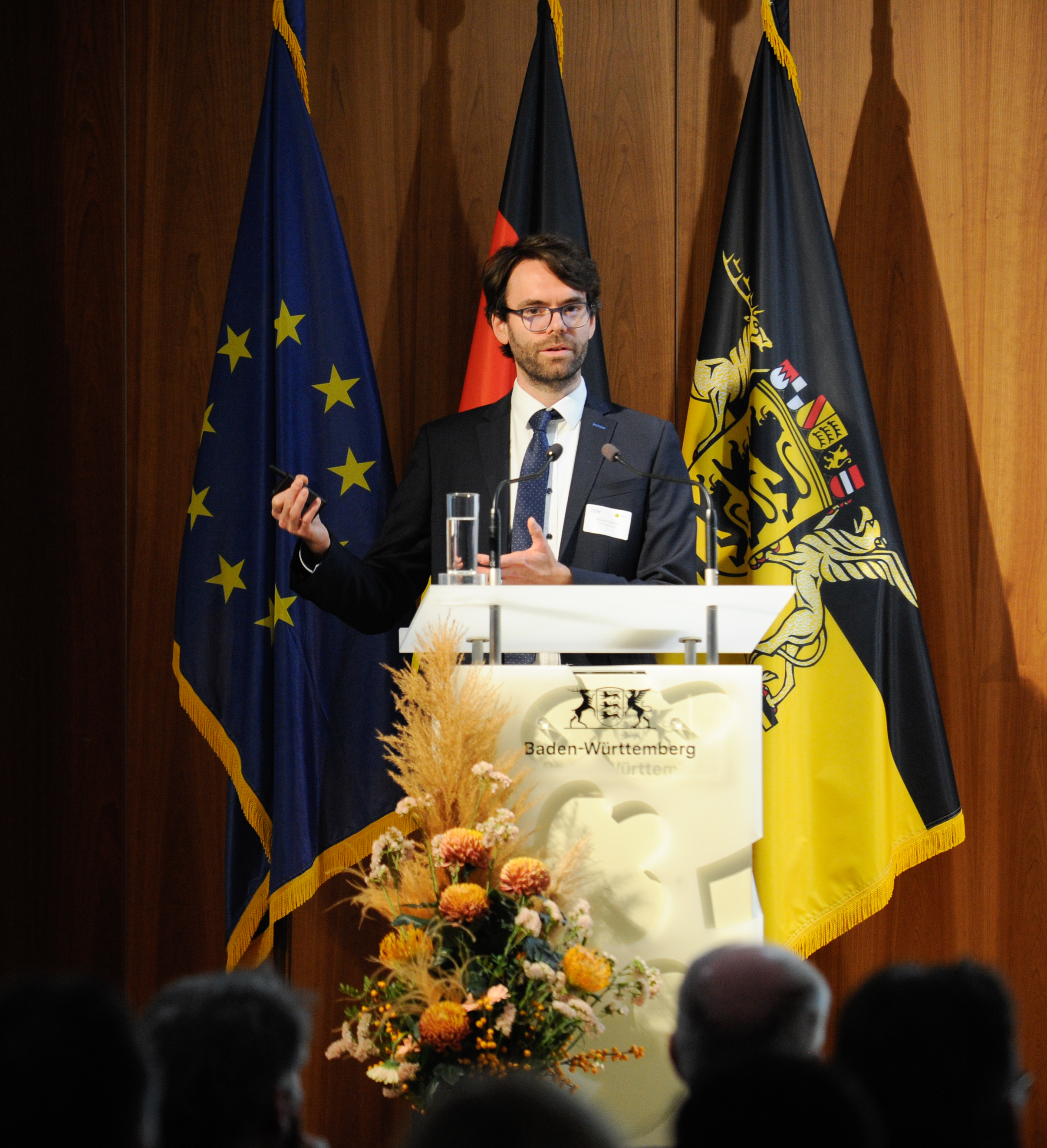
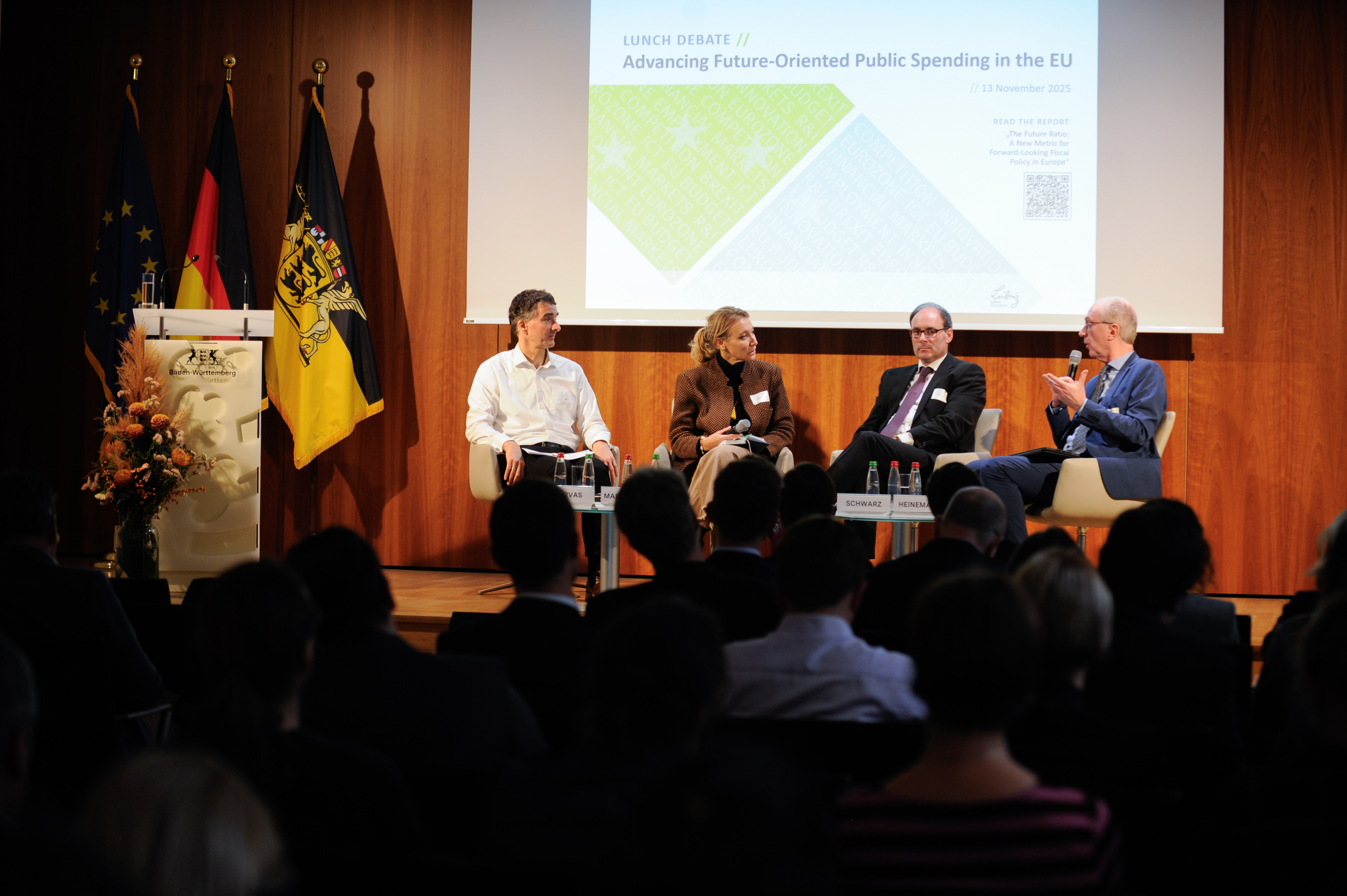

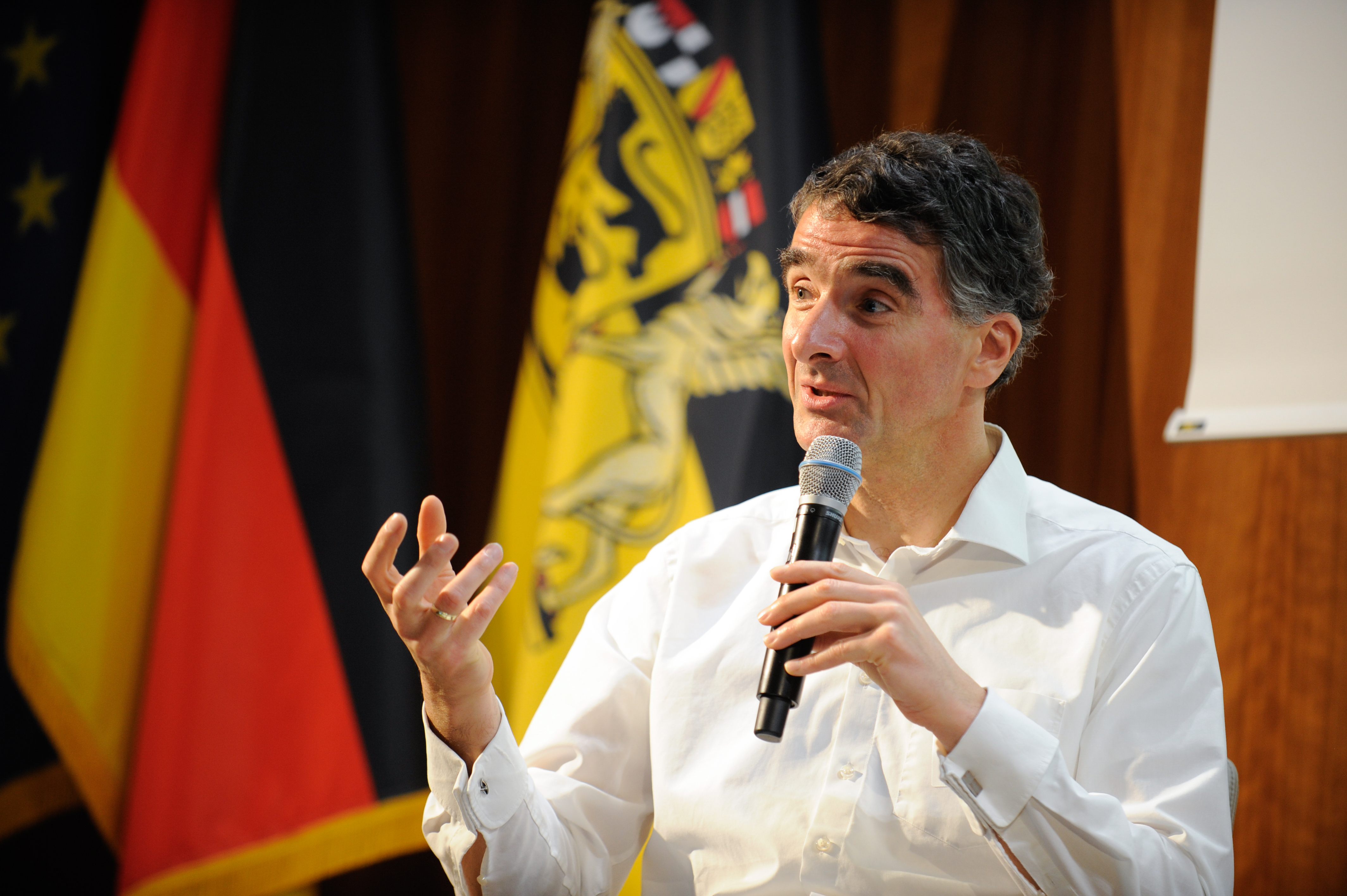
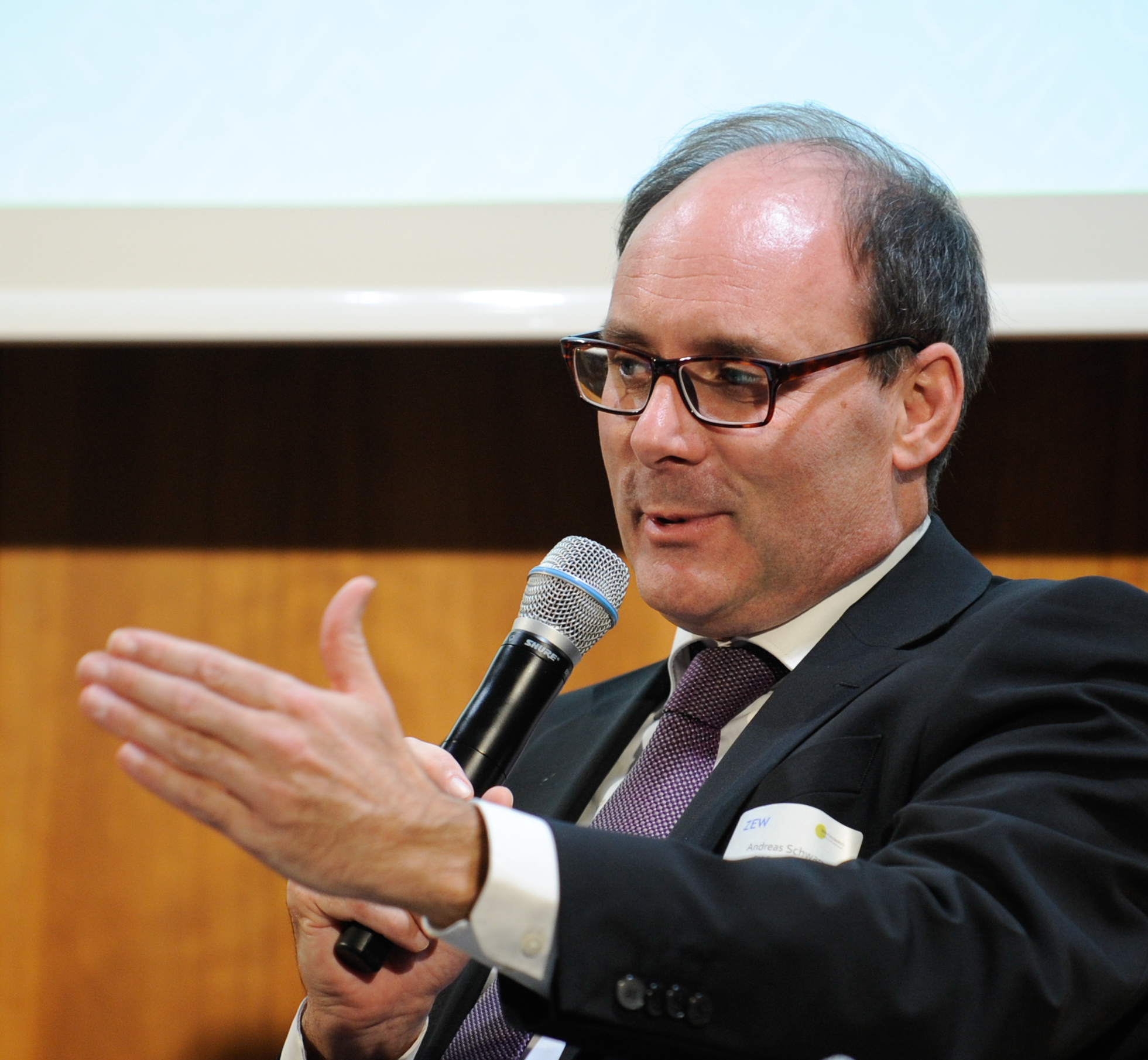
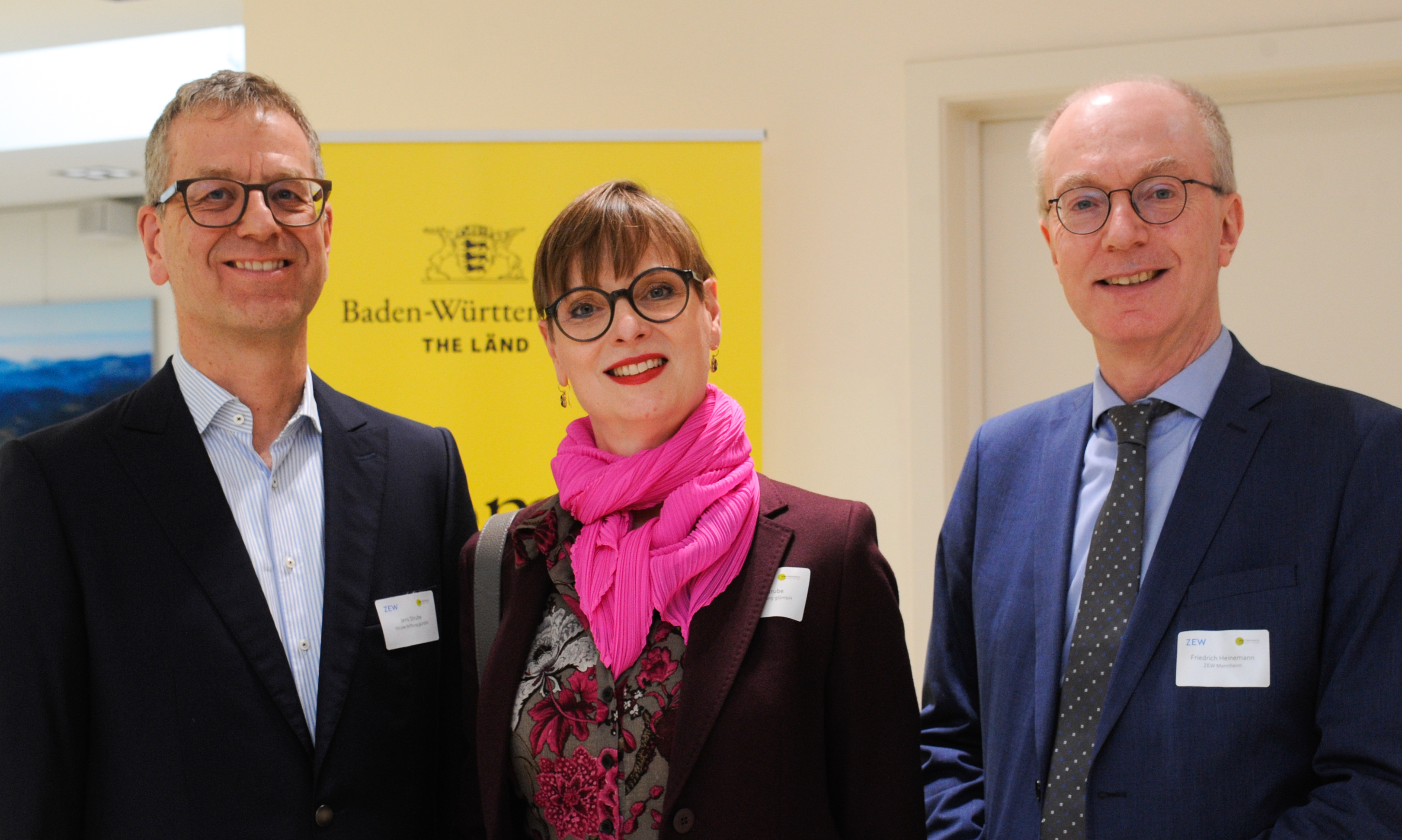
The starting point for the debate was a new ZEW study, presented by economist Albrecht Bohne, which sheds light on the future-orientation of government budgets in the EU Member States. This analysis is based on a new indicator: the “Future Ratio”. It has been developed by ZEW and is applied to EU and EFTA countries. The panellists were ZEW economist Friedrich Heinemann; Benedicta Marzinotto, member of the European Fiscal Board; Andreas Schwarz, Head of Cabinet of EU Commissioner Ekaterina Zaharieva; and Zsolt Darvas, Senior Research Fellow at Bruegel and at Corvinus University Budapest. The event with around 100 guests took place at the Representation of the State of Baden-Württemberg to the European Union in Brussels and was made possible with the kind support of the foundation Strube Stiftung.
In his welcome address, host Bodo Lehmann, Head of the Representation, mentioned Baden-Württemberg as an example of reform approaches for a more performance-oriented budget management in the field of Green Budgeting. Jens Strube, Managing Director of Strube Stiftung, explained the funding intentions of the foundation, namely to provide a better basis for making informed private and societal decisions.
Albrecht Bohne, co-author of the study on “Future-Oriented Public Spending in the EU”, then presented key results from this scientific work. The “Future Ratio” in public spending provides information on the share of government expenditure that is channelled into future-oriented areas. Using EU-wide comparisons, Bohne explained how strongly the future-orientation of public finances differs between the Member States, and he showed which trends and patterns can be derived from this. The findings revealed a North-South and an East-West divide in Europe, for example: Scandinavian and Baltic states, along with Switzerland, were particularly future-oriented. Bohne also provided details about the correlations analysed in the study, for example correlations with national debt, the unemployment rate and compliance with fiscal rules. He explained that countries with high debt levels were “trapped” by the burden of high debts and the associated interest costs and were therefore unable to shift their budgets towards future-oriented investments.
Friedrich Heinemann introduced the panel by explaining that the EU had two central triggers for working towards a more future-oriented expenditure structure in the Member States. The reformed rules on fiscal governance and the financial incentives set forth in the MFF could work in this direction.
Zsolt Darvas (Bruegel/Corvinus University Budapest) tended to take a positive view of the experiences with the Recovery and Resilience Facility (RRF) and its performance-oriented approach, despite all its imperfections. He said this approach had worked well in a number of countries, such as the Baltic States and Romania, and also had potential for the upcoming MFF. In areas like climate policy, robust and valid indicators were available to measure performance. On the other hand, assessing reform-related milestones required an in-depth qualitative analysis of the reform substance. Darvas emphasised that the EU had been able to quickly agree on such a comprehensive instrument during the critical phase of the pandemic.
Benedicta Marzinotto reported on the findings of the European Fiscal Board, noting that too little attention is currently being paid to considerations about the structure of expenditure. In this context, concepts such as ZEW’s “Future Ratio” could make a valuable contribution. Marzinotto said that the findings of the ZEW study had not surprised her, as they were in line with her observations, for example about the future-orientation of the Baltic States and the constraints on the highly indebted nations. However, she urged caution that the autonomy of the EU Member States should not be excessively curbed by too many EU requirements. In her opinion, providing increased funds in the next MFF for R&D in particular could create synergies across the EU. She also sees considerable opportunities in the expansion of joint European debt.
Andreas Schwarz pointed out that although traditional policy approaches continued to matter in the MFF, “modern policies” were gaining ground. In addition, it was possible to align cohesion and agricultural policy more strongly with new goals and objectives. Despite all the reform ideas, it should not be forgotten that the MFF had to be adopted unanimously so that the reform would be more evolution than revolution. Looking ahead, Schwarz said he hoped the EU would place greater emphasis on the start-up and scale-up scene to drive innovation, enable technological leaps and ensure it no longer lagged behind in the dynamic landscape of innovative start-ups.
Friedrich Heinemann concluded the debate by expressing his delight that the “Future Ratio” developed by ZEW was meeting with such a favourable response as a new metric for budget analysis. He stressed the willingness of his research team to closely follow the reform proposals for the MFF and the European fiscal rules.