Philipp Böing New Spokesman of Leibniz Research Network on China
PersonnelZEW Researcher Contributes China Expertise to Leibniz Association
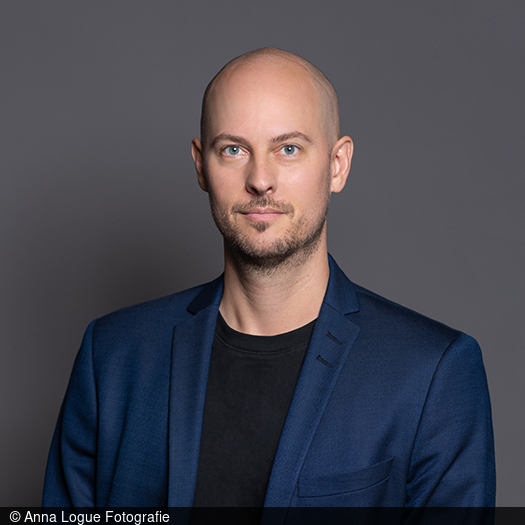
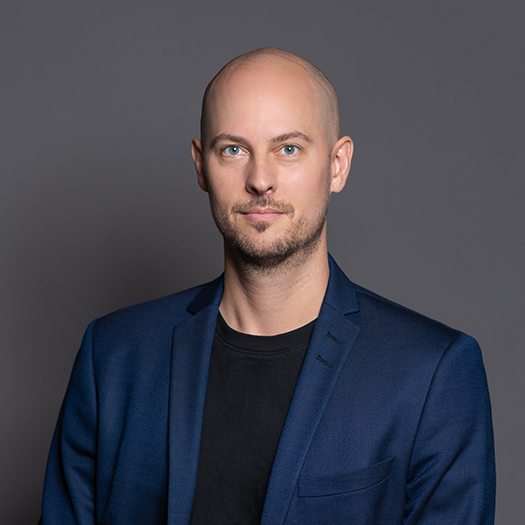
Professor Philipp Böing, senior researcher in ZEW Mannheim’s Research Unit “Economics of Innovation and Industrial Dynamics” and Professor of Empirical Innovation Research with Focus on China at Goethe University Frankfurt, has been appointed as spokesperson of the Leibniz Research Network on China. The aim of the network is to further scientific cooperation between the Leibniz institutes and develop advisory services for German policymakers.
“The Leibniz Research Network on China is a forum in which we pool our economic and innovation policy expertise on China in order to provide policymakers, businesses and society in general with information of specific interest. We need reliable analyses of competitiveness, trade, investment and technology, especially with regard to ensuring that our China policy is realistic. I am looking forward to being able to contribute to the success of the network as the newly elected spokesperson,” Böing explains.
ZEW President Professor Achim Wambach, PhD sees the spokesperson function as a great opportunity for evidence-based policy advice: “In Philipp Böing, the Leibniz Research Network on China has chosen a highly competent expert as its spokesperson. He has not only in-depth economic knowledge about China, in particular on technology competition, but also a clear understanding of the risks and opportunities arising for Germany from collaboration with China. Choosing him for this task also confirms the expertise that ZEW Mannheim has in relation to China. I warmly congratulate Philipp Böing on this appointment.”
Philipp Böing: A recognised expert on China
Philipp Böing has taught and conducted research as an assistant professor at Peking University’s China Center for Economic Research, and he has advised the World Bank, the Organisation for Economic Co-operation and Development (OECD) and the German Commission of Experts for Research and Innovation (EFI). He also is a member of the China Expert Network of the European Central Bank and fellow of Tsinghua University in Beijing. In 2023, he visited the Institute of Economics of Academia Sinica Taiwan as a Taiwan Fellow.
About the Leibniz Research Network on China
The network, which has initially been approved for three years, will begin its activities in January 2026. It involves scientists from 21 Leibniz institutions representing all scientific sections of the association, as well as experts from administration and science communication.
The network focuses on five main topics: geopolitics and competition between political systems; security, trade and peace; innovation, education and technology policy; climate, environment and justice; and development and infrastructure. In addition to his role as spokesperson, Böing will be head of the working group focussing on innovation, education and technology policy. These activities will develop and expand the China expertise in Germany as envisaged in the German government's China strategy and coalition agreement.