School Track Choice
Early Educational Tracking and Its Effects on Performance and Opportunities
How fair are educational pathways and what are the effects of early student sorting? ZEW economists Thilo Klein from the “Market Design” Research Unit and Sarah McNamara from the “Labour Markets and Social Insurance” Research Unit use a natural experi ment to show that attending a Gymnasium (the most academic secondary school track in Germany) can lead to significant learning gains, especially for children from more deprived backgrounds. These questions are also addressed in the podcast in which Thilo Klein talks to Kijaron Bartens and Anna Klump from the Johann- Sebastian-Bach-Gymnasium in Mannheim.
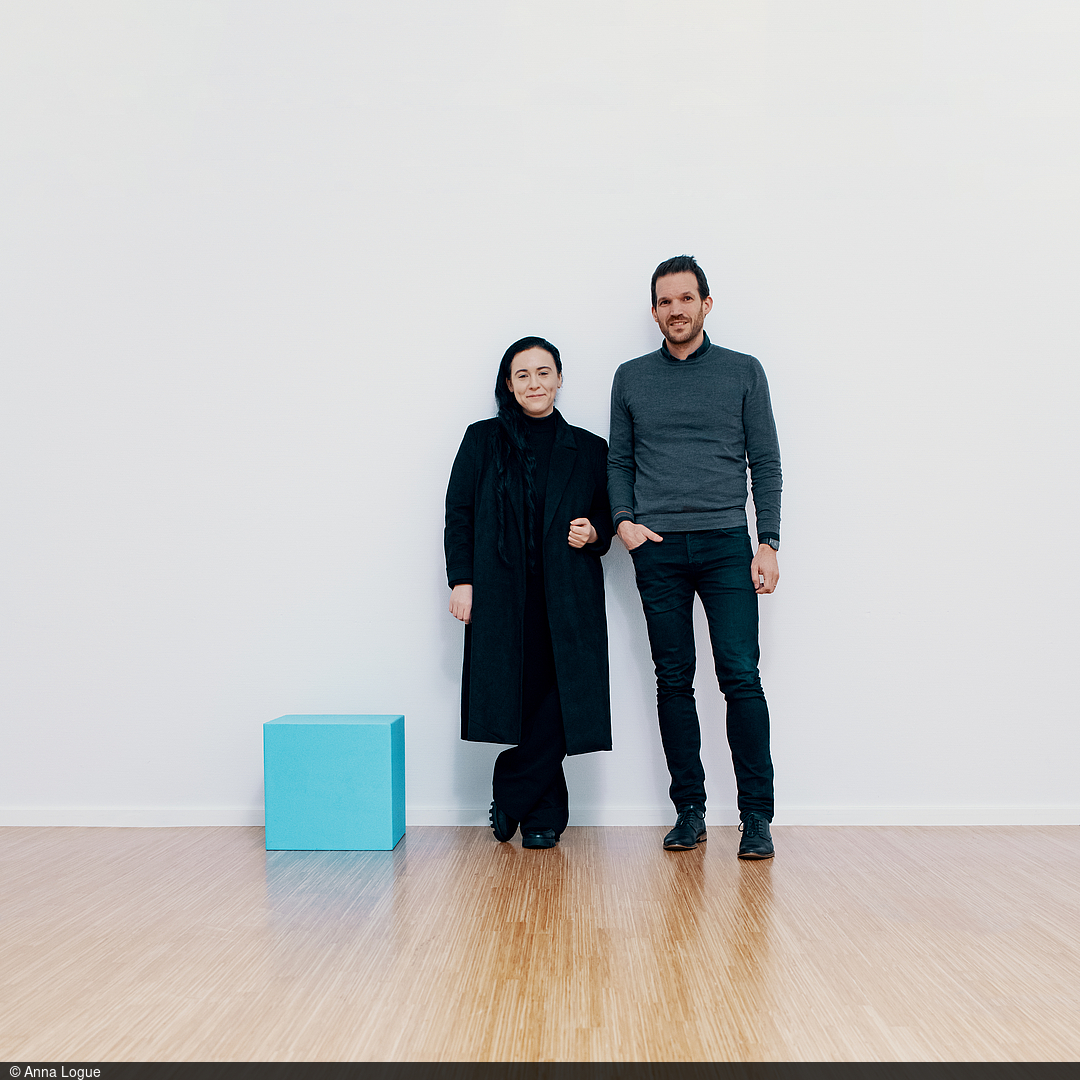
ZEW economists Thilo Klein and Sarah McNamara provide “evidence through design”: The study uses school data from Hungary for a natural experiment and compares children who were barely admitted to or just missed out on a place in the highest school track. In this way, the actual effect of attending a Gymnasium can be identified, independently of the influence of classmates, and reliably measured.
The results show that attending the Gymnasium has positive effects on academic achievement and aspirations to pursue higher education – regardless of social background or previous grades. Especially children from families with low socio-economic status benefit: Their families invest more in extracurricular education, and the children achieve at least as much academic progress as their peers from more privileged households. However, they are less likely to secure a place at a higher-track school, which reinforces existing educational inequalities.
The study challenges the general assumption that strict grouping according to academic performance is necessary to promote high achievers. Rather, the results show that factors such as motivation and behaviour within the classroom environment play a greater role than grouping together high-achieving students.
Overall, the findings reveal that it is not a lack of ability, but unequal access opportunities that contribute significantly to educational inequality. The results therefore suggest that strict grouping according to academic performance at an early age – as, for example, in the German school system – should be critically questioned and that more flexible transitions between school types should be considered.

Sarah McNamara
ZEW Research Unit “Labour Markets and Social Insurance”“When schools decide admission criteria, it is important to not only consider primary school grades and teacher recommendations, but also motivation, perseverance and social behaviour. More flexibility in the transition between school types and a higher age at which the selection takes place could enhance educational equality without jeopardising the performance of the school system.”
Podcast „ZEW Wirklich Wirtschaft“ (in German)
Podcast
Click the button below to reload the content. (I agree to external content being displayed to me. Read more in our privacy policy).

Labour Markets and Social Insurance
The Research Unit “Labour Markets and Social Insurance” examines institutional frameworks and structural changes of labour markets in Europe and America.
About the Research Unit
Market Design
The Research Unit “Market Design” focuses on the analysis and optimisation of markets.
About the Research Unit
Contact