The Concept of “We”
Service in Transition: ‘We’ as a Source of Strength for Research
The three heads of the service units provide insights in the podcast into the role and future of services at ZEW. The focus is on actively supporting change processes and digital transformation, as well as the growing importance of clear and transparent internal communication. The services see themselves as enablers of excellent research. Key themes include integration, cross-departmental collaboration, and the concept of “we” as a central success factor—along with an outlook on how the service units will continue to develop strategically in order to shape change in a sustainable way.
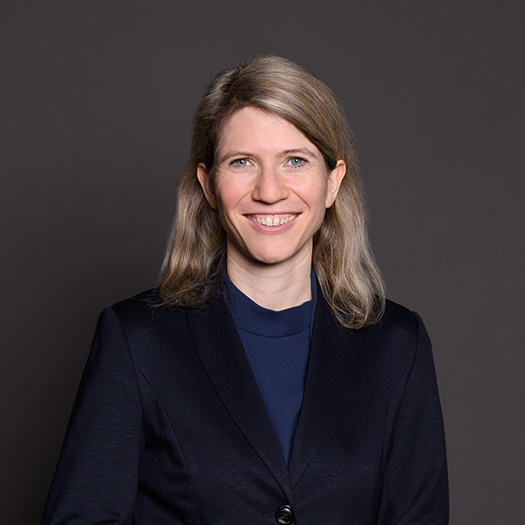
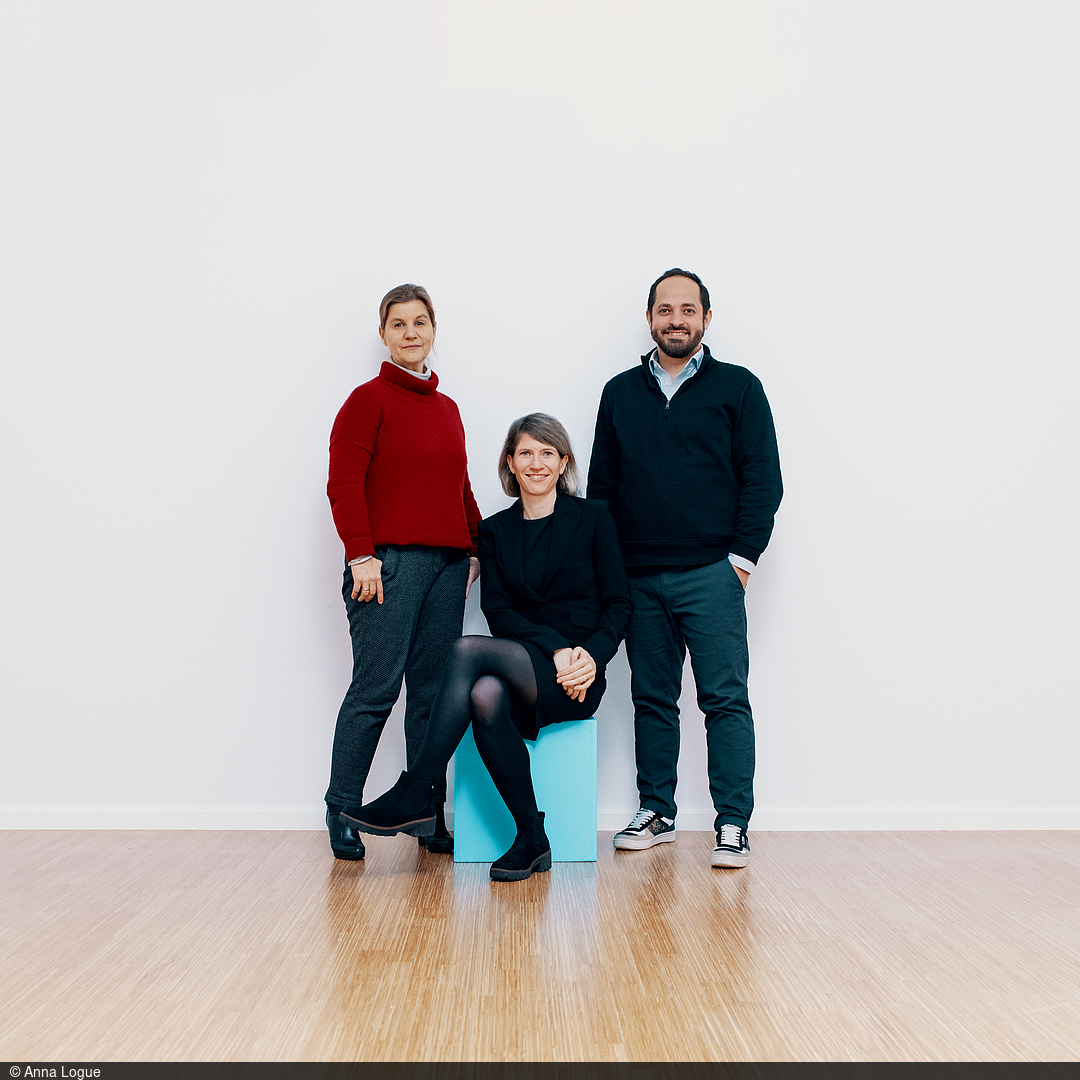
(Katrin Müller, Christina Janik, Daniel Scheuermann, from left to right)
Podcast ZEW Annual Report (in German)
Click the button below to reload the content. (I agree to external content being displayed to me. Read more in our privacy policy).
In a particularly lively episode of the podcast, the heads of the service units – Christina Janik (HR), Daniel Scheuermann (Central Services) and Katrin Müller (Communications) – discuss what goes on behind the scenes at a research institute. The past year, 2025, was a year of profound transformation for everyone involved, from reorganising the infrastructure and digitalising processes to the fundamental shift towards more agile, user-oriented work.
A central theme here is communication as the glue that binds the organisation together. The interviewees emphasise that transparency and reliability are key when building acceptance of change. The new intranet, regular town hall meetings and the shift from top-down information to peer-to-peer exchange (for example in the new “Creative Lounge”) are creating a space for genuine networking. A successful example of this approach is the IT support initiative as part of the Microsoft 365 rollout, which fostered a strong sense of community through transparency in the Teams channel.
There is also a focus on staff development: Rather than relying on outdated training concepts, the emphasis is on new skills such as resilience, problem-solving ability and the capacity to learn, so that staff can keep pace with the speed of change. The goal remains clear: to fully support and empower the research units. The service units do not see themselves as administrative bodies, but as proactive partners who, together with the researchers, enable scientific excellence.
Looking ahead, the interviewees hope to continue actively shaping the digital world of work, where human strengths – empathy, solidarity and mutual support – are preserved and strengthened in the digital age. The podcast showcases an institute that, guided by the motto “WE”, is navigating change as a community and continuing to advance a culture of trust and innovation.
Contact